The Epstein Network Is Getting Harder to Bury
Today’s EpsteinWiki news update follows the money, the public relations machinery, the missing answers, and the investigators still trying to identify Jeffrey Epstein’s accomplices. New reporting examines Trump’s political exposure, Todd Blanche’s confirmation, delayed bank warnings, a mysterious property arrangement, and the people accused of attacking survivors and journalists who refuse to let this story disappear.
The pattern remains painfully familiar. Powerful institutions ignored obvious warning signs while Epstein was alive, then discovered an urgent interest in compliance after he was arrested or dead. Apparently, financial vigilance works best when the client can no longer move his accounts.
Key Takeaways
- Raw Story examines renewed scrutiny of Trump’s relationship with Epstein and the growing political cost of unanswered questions.
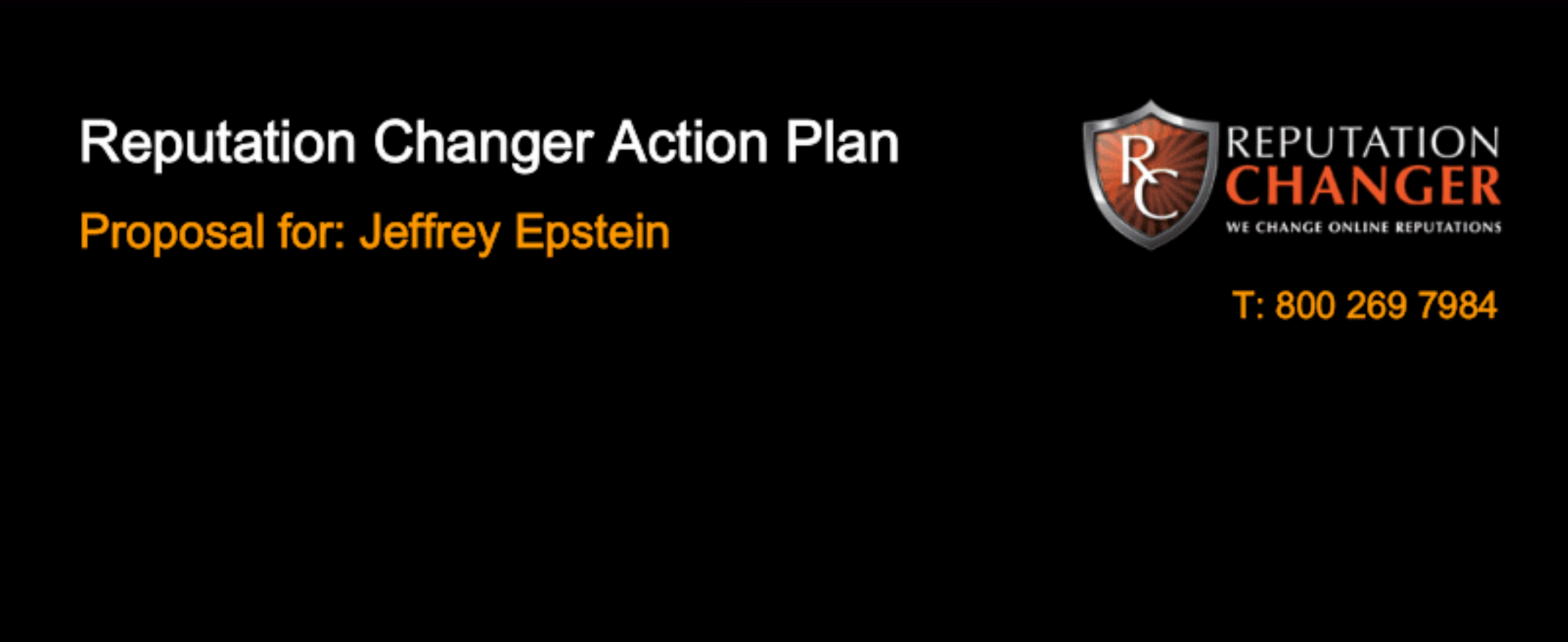
- Federal records show Epstein financed websites intended to push reporting about his sex offender history down in Google results.
- New financial reporting focuses on banks that waited until Epstein’s arrest or death before reporting suspicious transactions.
- New Mexico Attorney General Raúl Torrez continues pursuing unredacted records and possible accomplices connected to Zorro Ranch.
- Property records show Johnson heiress Elizabeth Ross Johnson placed a valuable Vail chalet into a trust naming Epstein as a trustee.
- Todd Blanche has been confirmed despite fierce criticism from survivors and questions about his independence from Trump.
- Investigators and journalists continue documenting campaigns that allegedly targeted survivors and distorted the Epstein record.
- Eight major questions remain unresolved, including missing evidence, financial records, possible accomplices, and unexplained government redactions.
Trump’s Epstein Problem Deepens as New Questions Follow Him Back Into the Spotlight
Raw Story examines the latest political fallout surrounding Donald Trump’s documented social relationship with Jeffrey Epstein and the administration’s handling of the files. Trump denies wrongdoing connected to Epstein, but every shifting explanation seems to produce several new questions and one very nervous press office.
The central issue is not whether appearing in a photograph proves a crime. It does not. The issue is whether political power has influenced which records were released, redacted, delayed, or quietly left out.
Epstein Used a Fake Sports Blog to Suppress Reporting About His Sex Offender Past
Cronkite News reports that Epstein funded an online reputation campaign involving Al Seckel, Pablos Holman, search specialists, and writers in the Philippines. The operation created websites designed to flood Google with flattering or irrelevant content and bury reporting about Epstein’s conviction.
Emails show Epstein approved the plan and sent money after asking whether positive articles were needed to displace damaging results. Nothing says innocent philanthropist quite like paying professionals to make your sex offender history mysteriously disappear from search.
Project Pilot Investigation Alleges a Wider Federal Fraud Network Around Epstein
Jacqueline Voss presents an investigation describing what she calls a federal fraud syndicate connected to Project Pilot and the broader Epstein record. The article attempts to connect people, entities, government actions, and financial relationships that the author believes require deeper examination.
These are investigative claims, not criminal findings, and each connection must be tested against primary records. Still, complex networks survive when everyone dismisses each transaction as an isolated curiosity, which is terribly convenient for the people collecting the checks.
Epstein’s Banks Waited Until He Was Arrested or Dead to Report Suspicious Transactions
Sharad’s Room examines how financial institutions processed Epstein related transactions for years before filing suspicious activity reports. Senate investigators have reported that four banks flagged approximately $1.5 billion in transactions only after Epstein’s 2019 arrest.
Banks are expected to report suspicious activity promptly, not once the client is dead and the scandal is trending. The delay raises serious questions about compliance failures, executive decisions, and whether extraordinary wealth purchased extraordinary blindness.
Epstein Transparency Critics Turn to a Desperate Smear Campaign
Objection Everything examines efforts to discredit people demanding accountability in the Epstein case. The article focuses on how personal attacks, selective framing, and reputation warfare can redirect attention away from records that powerful interests would rather not discuss.
A smear campaign does not disprove the evidence. It simply tells us that someone finds attacking the messenger easier than answering the question, which is rarely the confidence building strategy they imagine it to be.
New Mexico Attorney General Is Hunting Epstein’s Possible Accomplices
Dworkin Report highlights New Mexico Attorney General Raúl Torrez and the reopened criminal investigation into Epstein’s Zorro Ranch. Torrez has sued the Justice Department for unredacted records that could help investigators identify survivors, witnesses, facilitators, and possible criminal participants.
New Mexico may still have legal pathways for holding living accomplices accountable. That makes the federal government’s refusal to provide meaningful access especially troubling, unless obstruction has somehow become the new interagency cooperation plan.
Johnson Heiress Transferred Her Luxury Vail Chalet Into a Trust Controlled With Epstein
People reports that Johnson and Johnson heiress Elizabeth Ross Johnson transferred her Vail chalet into a trust in 1998 that named herself and Epstein as trustees. The deed reportedly gave Epstein authority to convey, lease, encumber, or otherwise manage the property interest.
The arrangement resembles other relationships in which Epstein obtained unusual control over valuable assets belonging to wealthy clients. Financial advising is one thing. Repeatedly ending up inside the deeds, trusts, and personal fortunes of billionaires is quite another.
Trump’s Former Lawyer Reportedly Kept the President Informed About the Epstein Matter
Tara Palmeri reports on the relationship between Trump, his former personal lawyer, and the government’s handling of Epstein related matters. The reporting raises questions about whether legal decisions involving the files were insulated from Trump’s personal and political interests.
Those questions became even more serious after Todd Blanche referred to himself as Trump’s lawyer during his confirmation hearing before quickly correcting himself. Sometimes the most revealing statement is the one that escapes before the official job title catches up.
Todd Blanche Confirmed Despite Survivor Opposition and Epstein Files Failures
Chris Resists covers Todd Blanche’s confirmation following intense criticism over his handling of the Epstein files, his meeting with Ghislaine Maxwell, and the release of survivor information. Epstein survivors publicly urged senators to reject him and questioned why Blanche met with Maxwell while their own requests went unanswered.
Blanche defended the Justice Department’s record and said mistakes were corrected. Survivors were still forced to absorb the consequences, because government errors are always temporary for officials and remarkably permanent for the women exposed by them.
The She Wolves of London Investigation Tracks Another Campaign Against Epstein Survivors
Part Eight of Anne Cheever’s She Wolves of London series examines people and online narratives allegedly used to discredit Epstein survivors while defending Ghislaine Maxwell and Andrew Mountbatten Windsor. The series studies influencer relationships, media campaigns, disputed photographs, and attempts to reshape public understanding of survivor testimony.
The reporting contains analysis and allegations that require careful attribution. However, attacking survivors while presenting convicted or accused elites as misunderstood victims is not independent investigation. It is reputation management in a detective costume.
Eight Unanswered Questions Still Haunt the Jeffrey Epstein Case
Zeteo identifies eight major questions that remain unresolved despite millions of released pages. They concern missing records, possible accomplices, Epstein’s financial system, government decisions, political relationships, redactions, and whether powerful participants will ever face meaningful scrutiny.
The Justice Department has released an enormous archive without resolving the most important questions. Volume is not the same as transparency, especially when the haystack arrives without an index and several suspiciously important needles remain missing.
The Files Are Open but the System Remains Closed
Today’s stories show that Epstein’s operation depended on far more than private planes and notorious properties. It required banks willing to process the money, professionals willing to manipulate search results, legal structures capable of moving valuable assets, and institutions willing to avoid asking inconvenient questions.
The public record continues to grow, but accountability still moves at the speed of a wealthy defendant’s legal team. EpsteinWiki will continue preserving the documents, identifying the financial and institutional relationships, centering survivors, and separating verified evidence from allegations. If powerful people want the questions to stop, they might finally try answering them.