
Few symbols carry as much emotional weight as the butterfly. Across cultures and centuries, butterflies have been associated with transformation, renewal, freedom, endurance, and the human soul. In more recent decades, the butterfly has also become a widely recognized symbol among survivors of sexual abuse, sexual assault, child abuse, trafficking, domestic violence, and other forms of interpersonal violence.
Unlike many awareness symbols that were created by organizations or campaigns, the butterfly’s connection to survivors developed organically. Survivors, therapists, advocates, and support organizations repeatedly found meaning in the butterfly’s life cycle and adopted it as a representation of healing and growth after trauma.
The journey from caterpillar to chrysalis to butterfly mirrors a truth many survivors understand deeply. Healing is a process. It takes time. It often happens out of public view. And while the experience leaves a person forever changed, it does not prevent them from emerging into something new.
Ancient Roots of Butterfly Symbolism
The butterfly has served as a symbol of transformation for thousands of years.
In Ancient Greece, the word psyche could mean both “soul” and “butterfly.” The goddess Psyche was frequently depicted with butterfly wings, creating a lasting connection between butterflies, the human spirit, and personal transformation.
Roman culture adopted many of these ideas. Butterflies sometimes appeared in funerary art as representations of the soul’s journey beyond physical life.
Butterflies also appear in artwork from Ancient Egypt. While scholars debate the precise symbolic meaning, butterflies were present in decorative and funerary settings connected to larger themes of life, death, continuity, and renewal.
In Japan, butterflies have long been associated with the soul and the presence of loved ones. In various Mesoamerican traditions, butterflies were linked to warriors, sacrifice, death, and transformation. Although the specific meanings varied across cultures, a common theme emerged. The butterfly represented movement from one state of existence into another.
Why the Butterfly Became a Symbol of Transformation
The butterfly’s symbolism comes directly from nature.
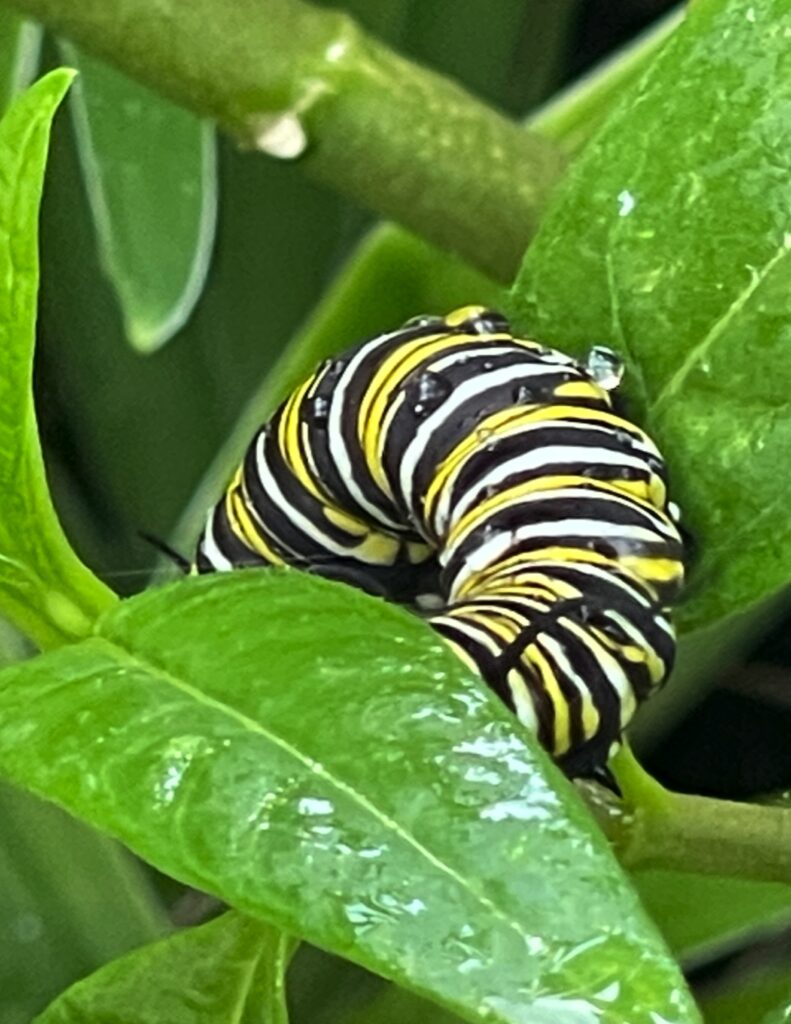
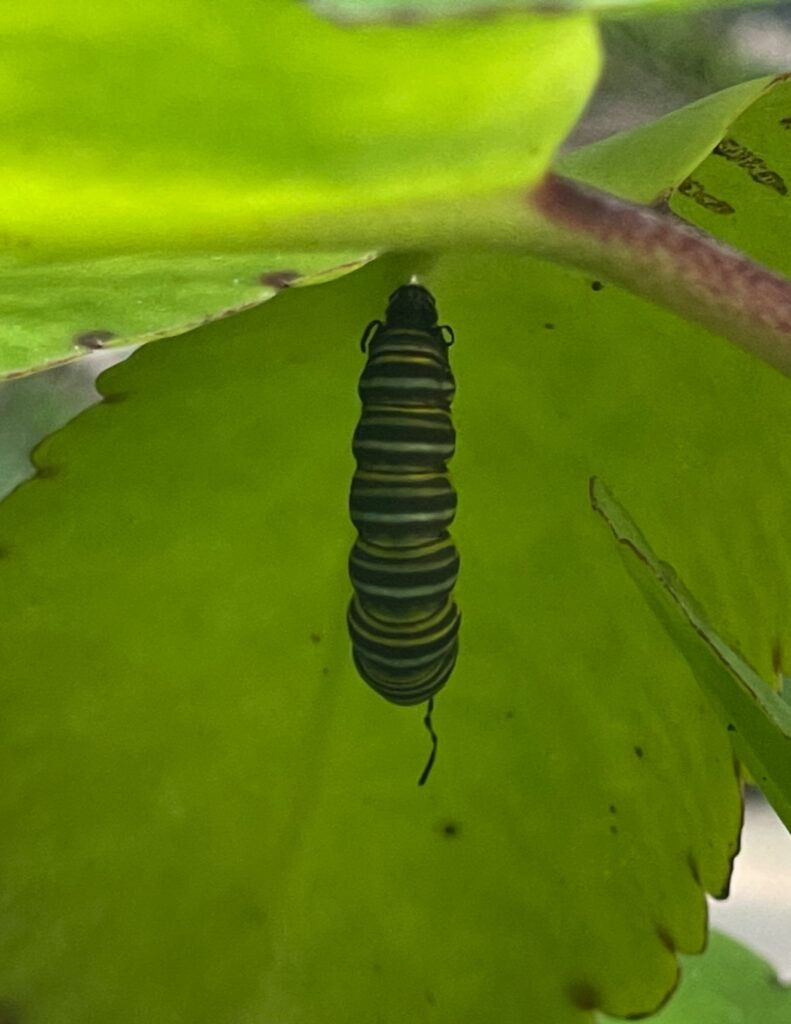
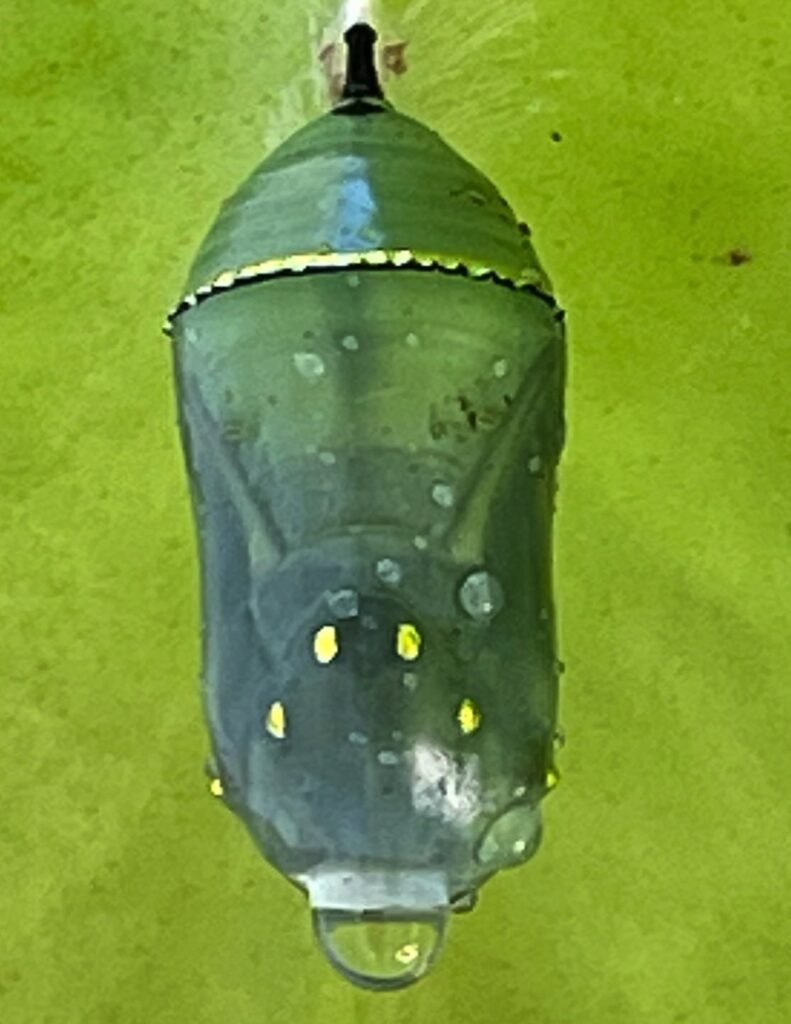
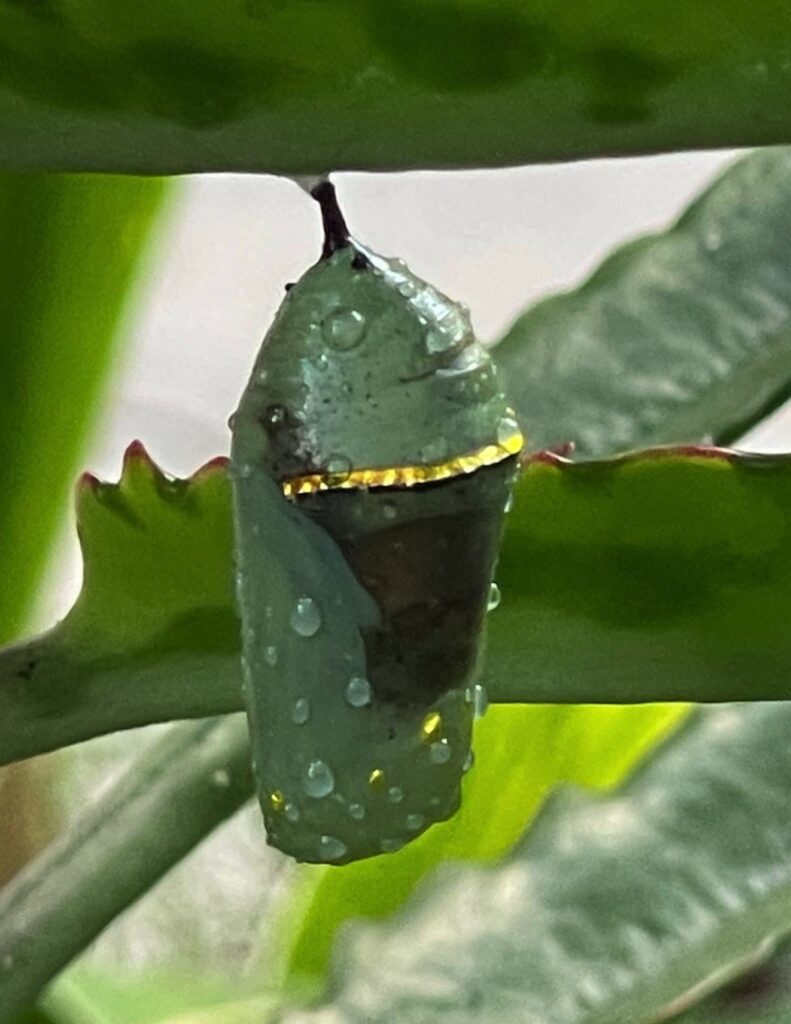
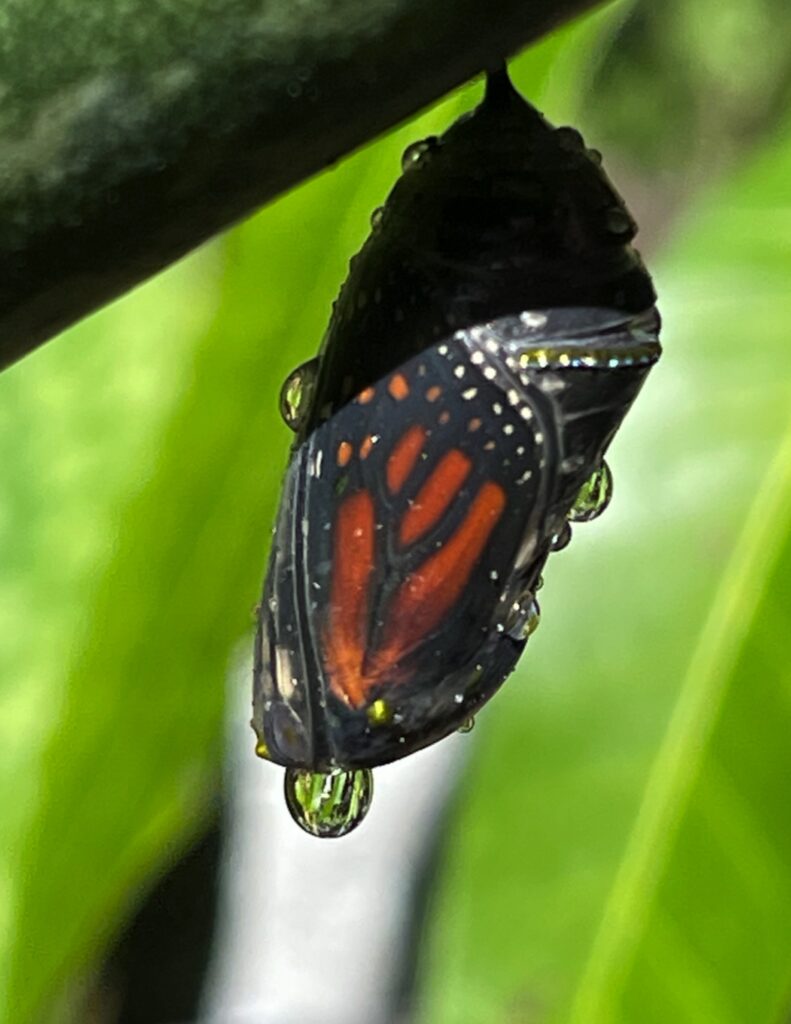
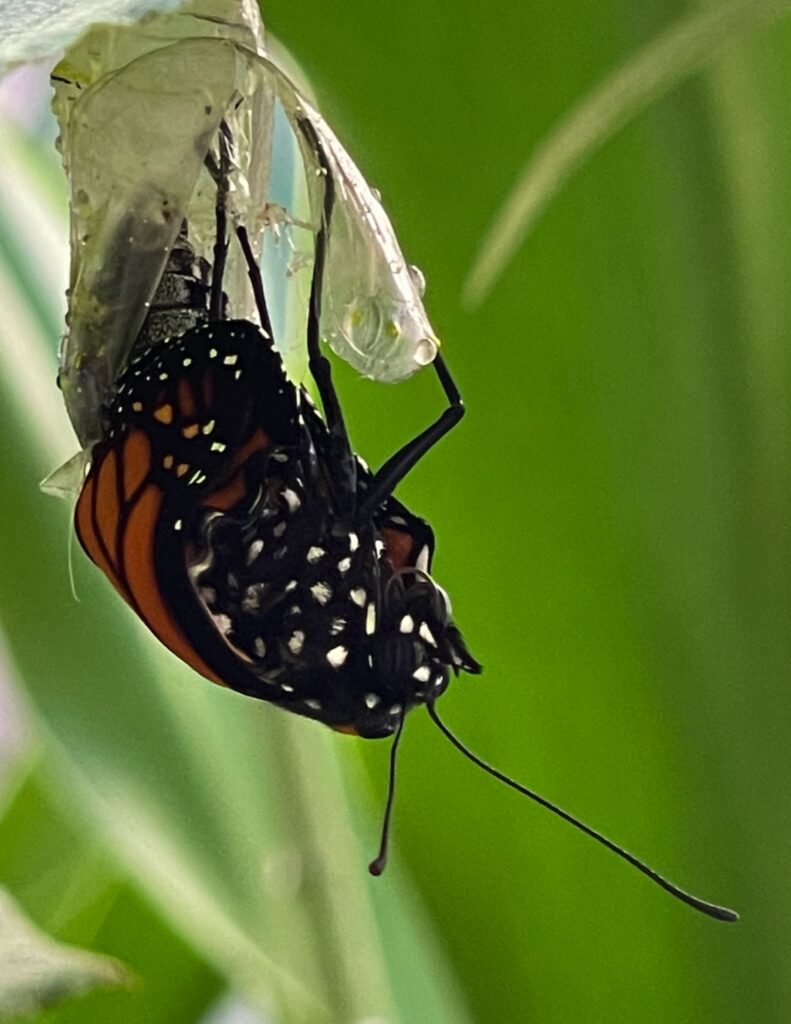
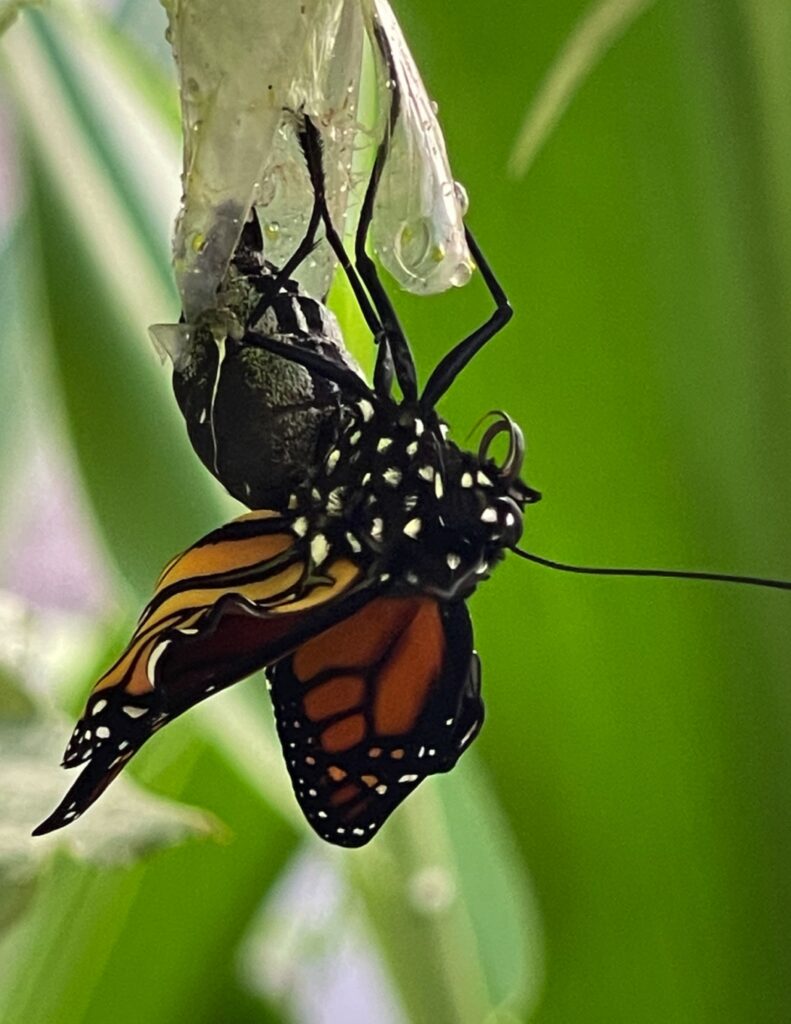
A butterfly undergoes complete metamorphosis. It begins as an egg, becomes a caterpillar, enters a chrysalis, and eventually emerges in an entirely different form. Few natural processes so clearly demonstrate profound change.
For centuries, people have viewed this transformation as a metaphor for personal growth, spiritual awakening, resilience, recovery, and hope after hardship.
Because the transformation is both visible and dramatic, the butterfly became one of the most enduring symbols of change across cultures. It has been embraced by people recovering from illness, grief, addiction, violence, loss, and trauma.
The Rise of Trauma Informed Butterfly Symbolism
Modern trauma recovery emphasizes that healing is a process rather than a single event.
Psychiatrist Judith Herman’s influential work on trauma recovery describes healing as involving safety, remembrance, mourning, reconnection, and empowerment. Survivors often move through stages of recovery that are difficult, nonlinear, and deeply personal.
The butterfly became a natural symbol for this journey.
As trauma informed therapy expanded during the late twentieth century, butterfly imagery increasingly appeared in support groups, counseling programs, art therapy, survivor workshops, and advocacy campaigns. The butterfly provided a way to focus on healing rather than victimization.
Organizations serving survivors of violence frequently adopted butterfly imagery because it communicated growth without minimizing the reality of trauma.
YWCA Central Alabama, for example, documented a therapeutic project in which survivors of domestic violence and children who witnessed abuse created butterflies to symbolize their journey from victimization toward healing and empowerment.
The Butterfly and Child Abuse Survivors
Child advocacy organizations have increasingly used butterfly imagery to represent healing from abuse.
The symbolism resonates because many survivors describe feeling trapped, powerless, silenced, or invisible during periods of abuse. The butterfly represents emergence, voice, freedom, and the possibility of a future not defined solely by trauma.
The Child Protection Center in Sarasota, Florida, describes the butterfly as symbolizing transformation, hope, and rebirth. The organization specifically connects butterfly symbolism to a child’s journey from victim to survivor and ultimately to thriving.
Today, butterfly imagery appears in awareness campaigns, advocacy events, therapy programs, survivor artwork, memorial projects, and child protection initiatives around the world.
The Butterfly and Sexual Violence Survivors
The butterfly has also become widely embraced by survivors of sexual assault and trafficking.
Many survivors choose butterfly tattoos, jewelry, artwork, or personal symbols to represent milestones in their healing journey. The image appears frequently in survivor communities because it communicates recovery, resilience, and reclaimed identity.
While the official color associated with Sexual Assault Awareness Month is teal, butterfly imagery is often used alongside survivor centered messaging because it reflects themes of healing, hope, empowerment, and post traumatic growth.
The butterfly differs from symbols focused on the violence itself. Instead of centering the crime, it centers the survivor’s journey afterward.
That distinction matters.
For many survivors, the butterfly represents not what happened to them, but what they have done to survive it.
Why Survivors Continue to Embrace the Butterfly
The butterfly remains powerful because it does not deny suffering.
Before there is flight, there is the chrysalis. Before transformation becomes visible, there is a period of struggle and change that often occurs unseen.
For survivors, the butterfly communicates several truths at the same time.
• What happened was real.
• Healing takes time.
• Recovery is rarely linear.
• Survival is not the end of the story.
• Growth remains possible.
• Identity can be reclaimed.
These themes closely align with modern trauma recovery models that emphasize safety, empowerment, connection, resilience, and post traumatic growth.
The Butterfly Today
Today, butterfly imagery can be found in child advocacy centers, sexual assault response programs, domestic violence organizations, trafficking survivor initiatives, memorial projects, support groups, and awareness campaigns.
No single organization created this meaning.
Instead, it emerged because survivors repeatedly found themselves reflected in the butterfly’s story.
Across centuries, butterflies have symbolized transformation, renewal, freedom, and the human soul. Within survivor communities, the butterfly has taken on an additional meaning.
It represents the possibility that a life shaped by trauma can also be shaped by healing.

Conclusion
The butterfly’s journey from ancient symbol to survivor emblem reflects a simple but powerful truth. Human beings have always looked to the butterfly as evidence that profound transformation is possible.
For survivors of sexual abuse and sexual violence, the butterfly offers a language beyond words. It acknowledges pain without being defined by it. It honors survival while pointing toward growth.
The butterfly is not a symbol of what happened.
It is a symbol of what comes next.
A Personal Note
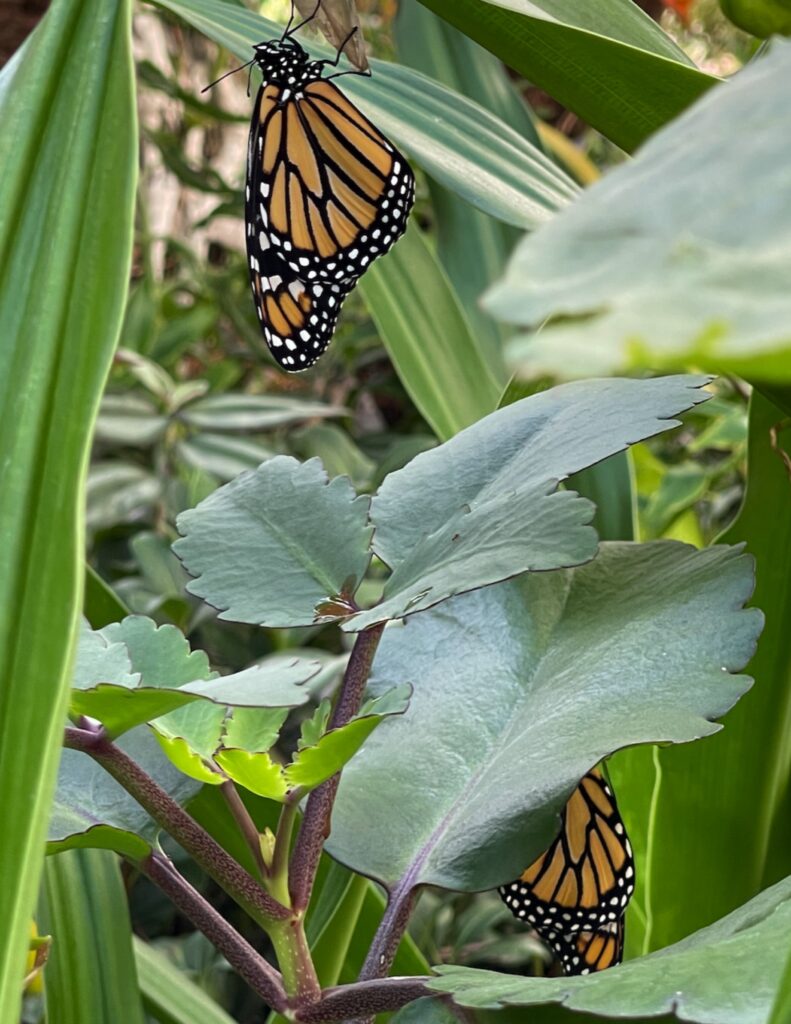
The photos and video included with this article come from my own butterfly garden, a project I began many years ago and continue to maintain today. Over the years, I have raised and released countless butterflies, watching firsthand the remarkable process of transformation from caterpillar to chrysalis to winged adult. Whether viewed through the lens of nature, history, or human experience, the butterfly remains a powerful reminder that change is possible, healing can occur, and growth often emerges from the most difficult circumstances. These images are shared as a reflection of that enduring symbolism and the hope it continues to inspire.
Sources
- Judith Herman’s Trauma and Recovery
- Encyclopaedia Britannica: Butterfly
- American Museum of Natural History: Butterfly Metamorphosis
- Psyche in Greek Mythology
- YWCA Central Alabama: Butterfly Creations Symbolize Journey from Victim to Survivor
- Child Protection Center Sarasota: Blue Ties and Butterflies
- National Sexual Violence Resource Center: Sexual Assault Awareness Month
- Centre for Addiction and Mental Health: Recognizing the Effects of Abuse Related Trauma
- American College of Obstetricians and Gynecologists: Adult Manifestations of Childhood Sexual Abuse
A beautiful and uniquely profound metamorphosis … 🦋