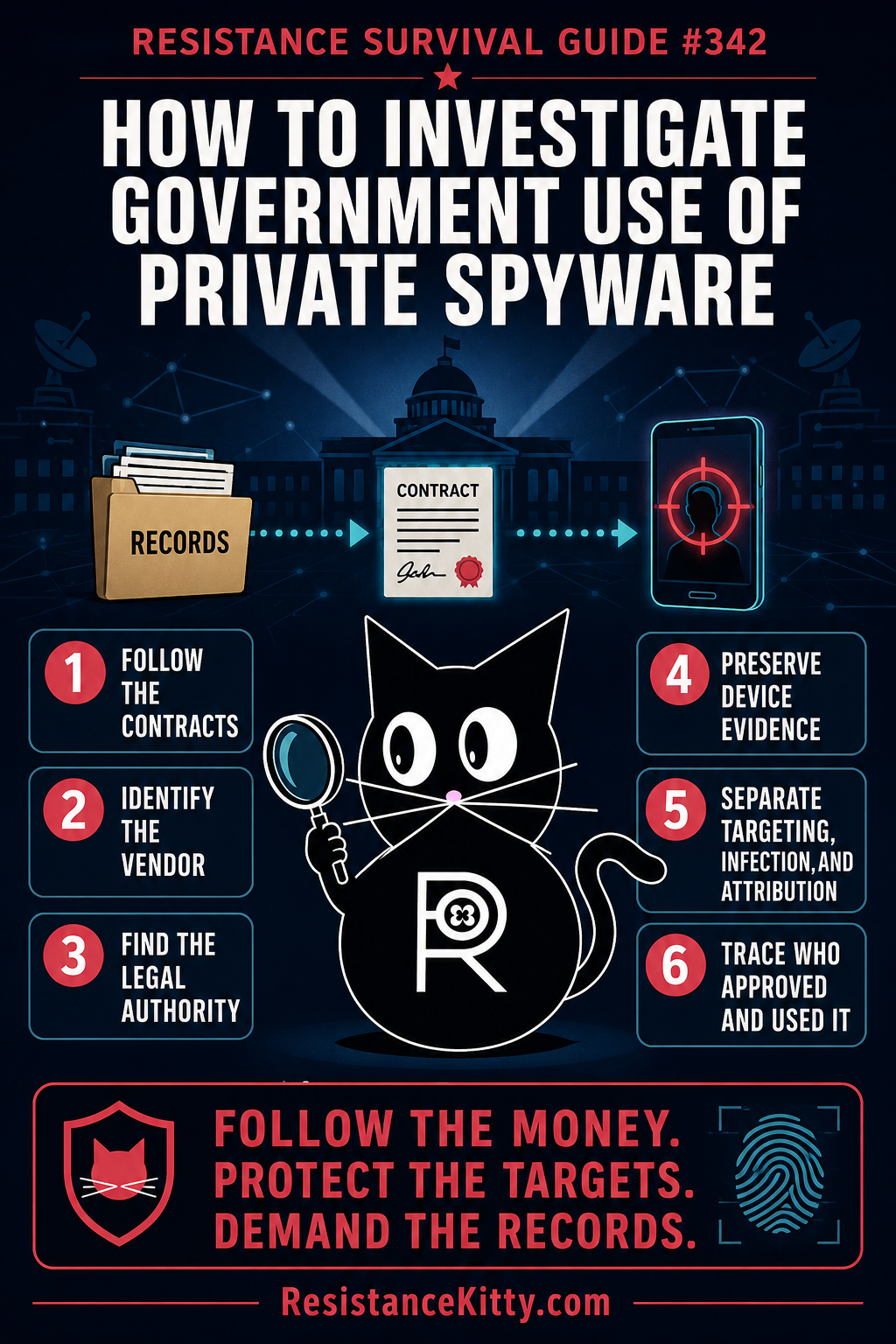
RSG #342: How To Investigate Government Use of Private Spyware Against Journalists and Activists

RSG #342: How To Investigate Government Use of Private Spyware Against Journalists and Activists

Private spyware gives governments access to capabilities once associated with elite intelligence agencies. Depending on the product and method used, an operator may collect messages, contacts, photographs, location data, recordings, and other information from a targeted device. Journalists, activists, dissidents, attorneys, and human rights defenders face particular danger because compromising one phone can expose entire …

Read more

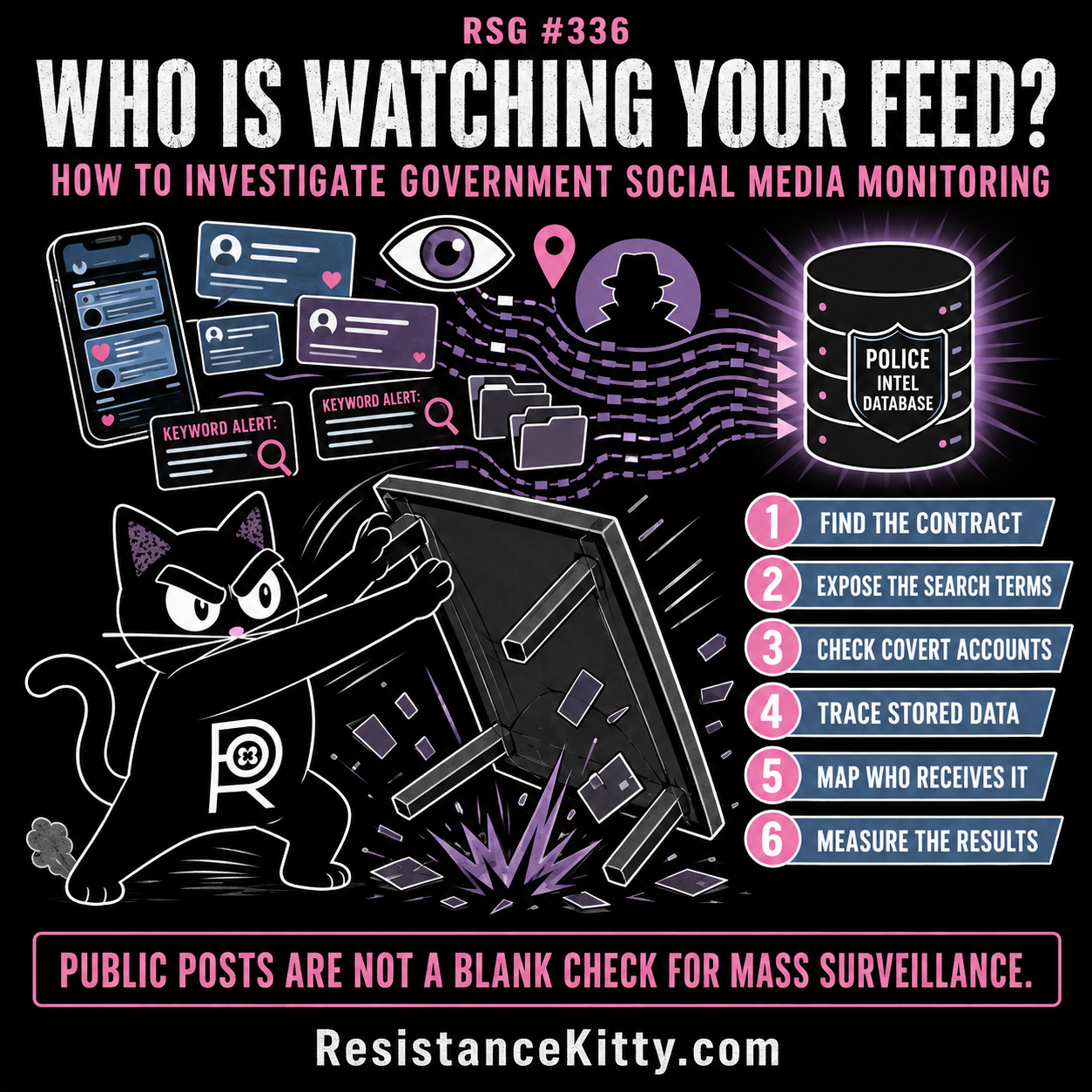
RSG#336: How To Investigate Government Use of Social Media Monitoring Tools

Your local police department may describe social media monitoring as nothing more than checking public posts. That sounds delightfully harmless, rather like saying a surveillance camera is merely enjoying the scenery. Modern social media monitoring can involve keyword searches, location filters, relationship mapping, automated alerts, covert accounts, image analysis, and commercial software that collects posts …

Read more

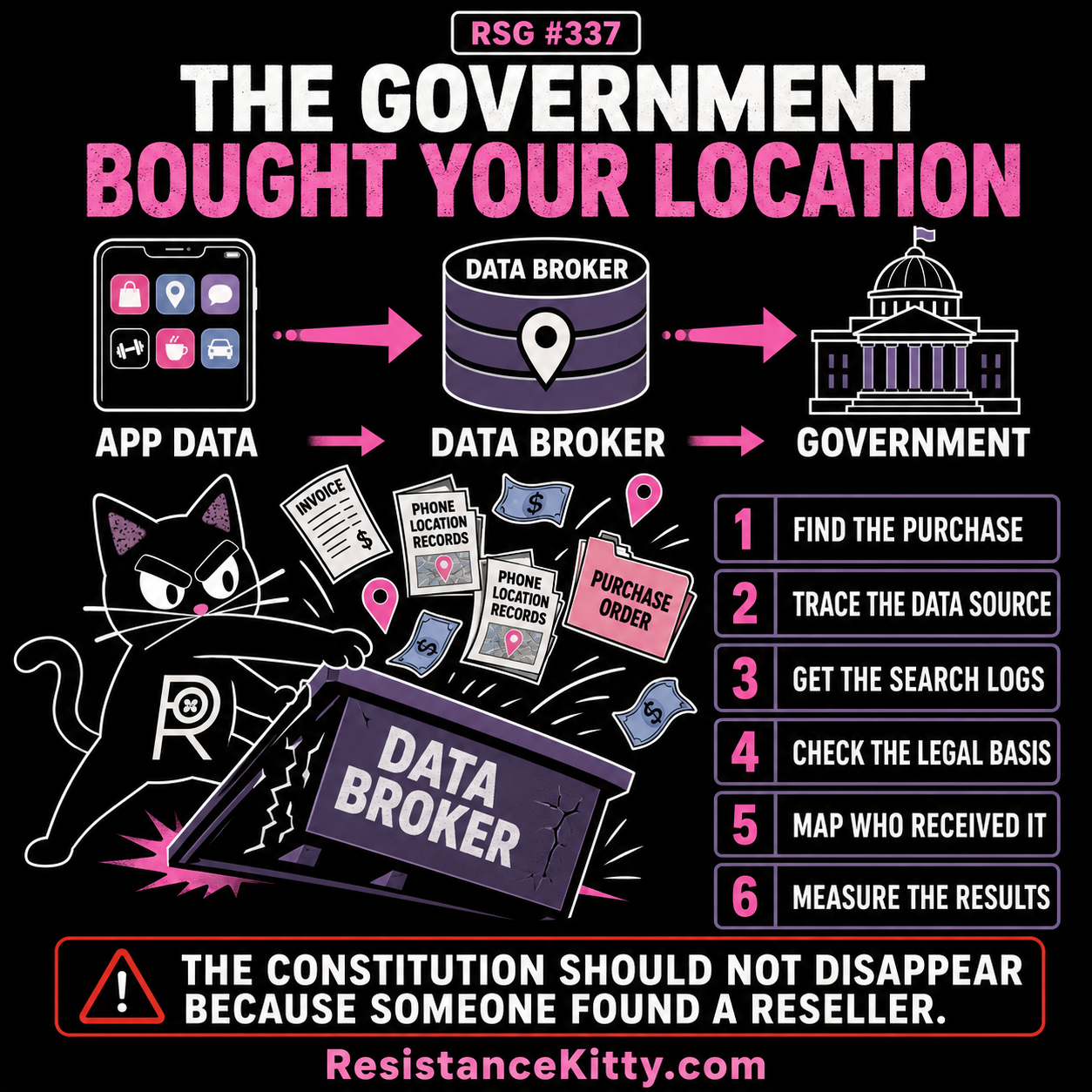
RSG #337: How To Investigate Government Purchases of Commercial Location Data

Your phone knows where you sleep, work, worship, shop, protest, receive medical care, and spend Tuesday evenings when you told everyone you were staying home. That location history can travel through mobile applications, advertising systems, software development kits, data aggregators, and commercial brokers. Government agencies have purchased access to commercially available information rather than obtaining …

Read more

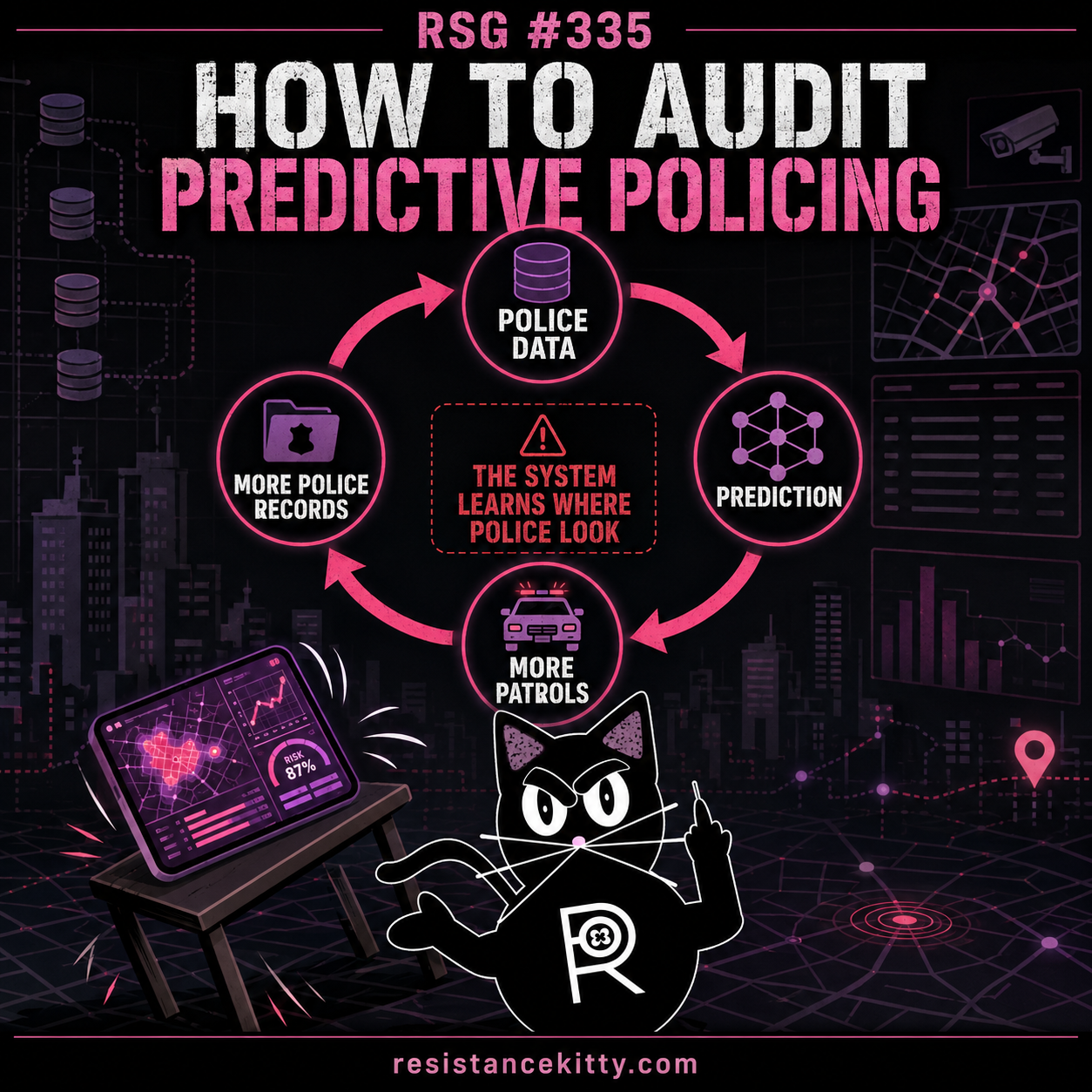
RSG#335: How To Audit Predictive Policing Systems and Their Hidden Feedback Loops

Predictive policing systems promise to help police anticipate where crime might happen or who might become involved. The sales pitch usually arrives carrying words such as objective, efficient, intelligent, and data driven. Nothing says impartial justice quite like a vendor presentation with a glowing heat map. The problem is that these systems do not observe …

Read more

RSG #334: How To Investigate Parallel Construction and Intelligence Laundering

A criminal case may appear to begin with a traffic stop, an informant, or one officer experiencing a miraculous burst of curiosity. Sometimes that visible beginning is not the beginning. Parallel construction occurs when investigators protect an original source by creating a separate path to the same evidence. Civil liberties advocates sometimes call the abusive …

Read more

RSG #330: How To File Epstein FOIA Requests That Actually Produce Records

We cannot trust the DOJ to do their jobs so now it is our responsibility. The federal government has released millions of pages connected to Jeffrey Epstein, yet serious questions remain about what was collected, withheld, removed, or buried beneath questionable redactions. A carefully written Freedom of Information Act request can help EpsteinWiki home sleuths …

Read more

RSG#328: How To Investigate an Interagency Program Nobody Truly Owns

Resistance Survival Guide #328 Interagency programs sound impressively coordinated when officials announce them. Several departments will combine expertise, share resources, eliminate duplication, and deliver one seamless government response. There may even be a diagram featuring circles, arrows, and the word synergy behaving suspiciously. Then something fails. Suddenly, the lead agency was only coordinating. The funding …

Read more

RSG #321: Follow the Grant Money Until the Real Beneficiaries Come Out

Resistance Survival Guide #321 Government grant announcements usually feature an impressive dollar figure, a worthy public mission, and several officials congratulating one another beneath a professionally printed banner. What they rarely show is where the money travels after the cameras leave. A federal agency may award money to a state government. The state may transfer …

Read more

RSG #320: How To Investigate Who Authorized a High Risk Government System

A government algorithm denies benefits. A surveillance platform identifies the wrong person. An automated fraud system freezes assistance. Suddenly, everyone involved develops a severe allergy to active verbs. The agency blames the contractor. The contractor says it followed agency requirements. The program office says technology staff handled it. Technology staff point toward legal counsel. Legal …

Read more