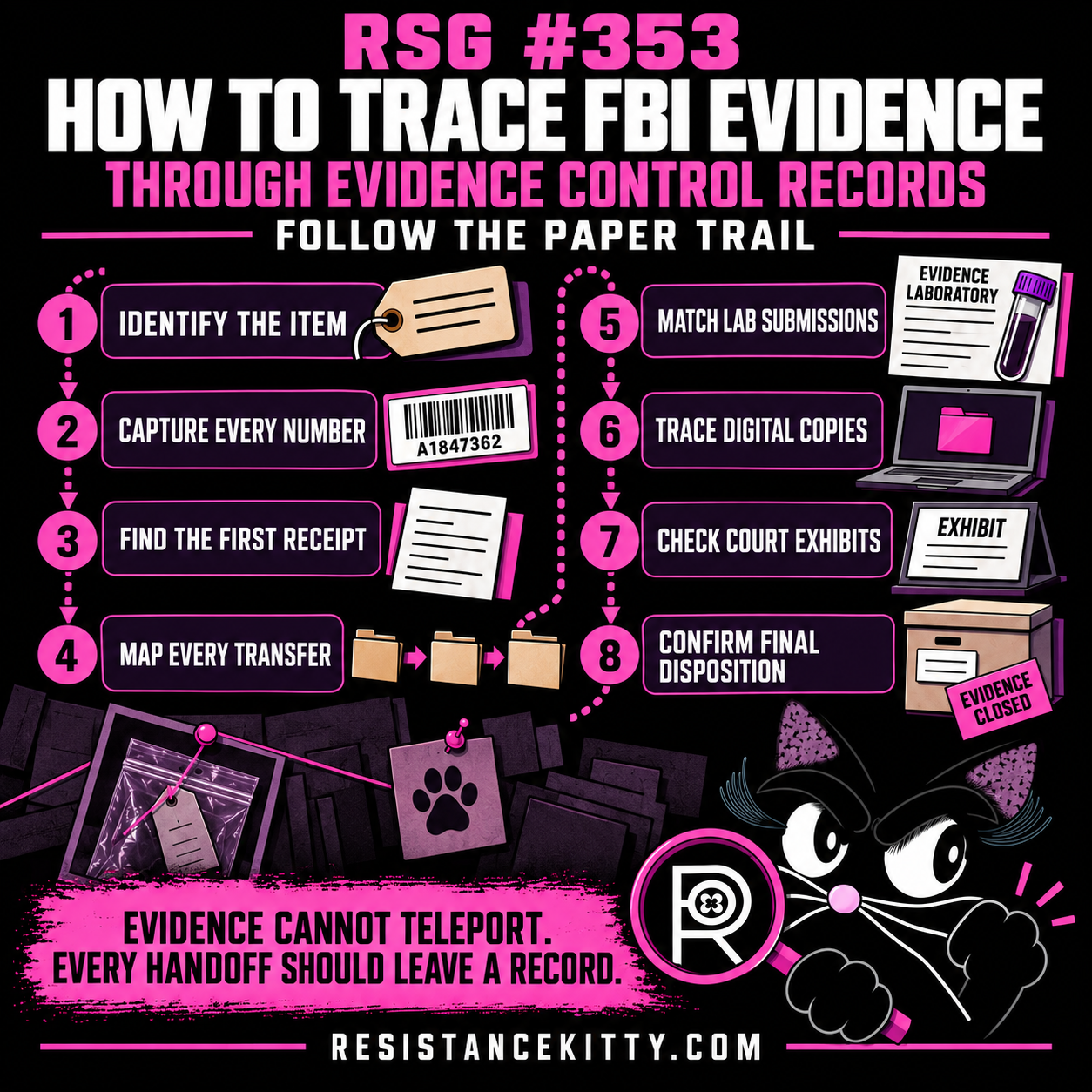
RSG #353: How To Trace FBI Evidence Through Evidence Control Records

RSG #353: How To Trace FBI Evidence Through Evidence Control Records

Physical evidence does not explain its own history. A seized telephone cannot tell you who collected it, where it was stored, whether a laboratory examined it, or why it later vanished from the public record. That history lives in evidence control records. Learning how to trace FBI evidence through evidence control records can help researchers …
Read more

RSG #351: How To Reconstruct an Epstein Investigation From Closing Records

An investigation rarely ends with a dramatic official stamping “CASE CLOSED” across a folder while violins play in the background. More often, it ends through a quiet collection of memoranda, database entries, supervisor approvals, evidence instructions, referral notices, declination decisions, and administrative forms. Those closing records can reveal what investigators examined, which allegations they pursued, …

Read more

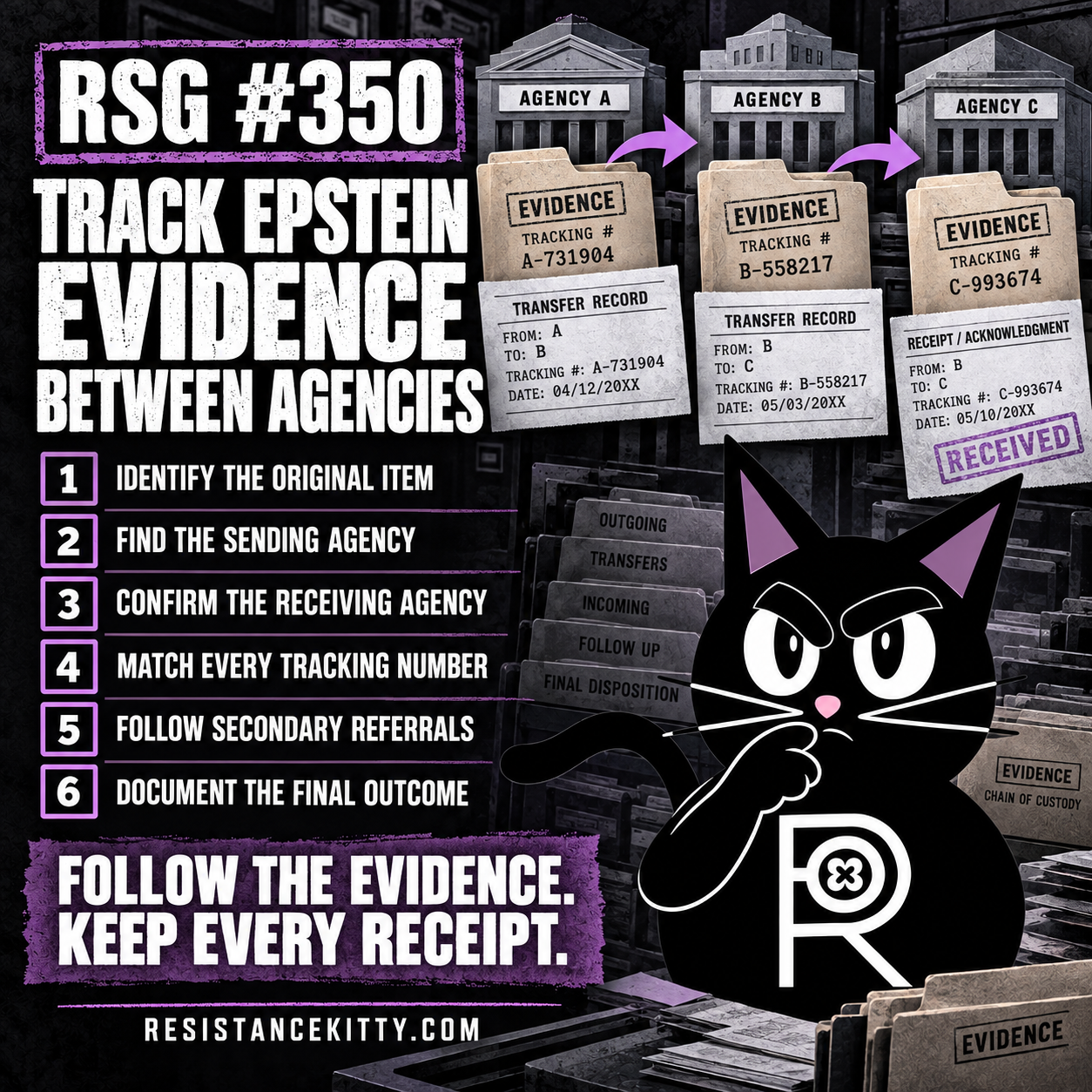
RSG #350: How To Track Epstein Evidence Referred Between Government Agencies

RSG #350: How To Track Epstein Evidence Referred Between Government Agencies

Evidence does not always remain with the agency that first receives it. A complaint submitted to the FBI may be forwarded to a field office, federal prosecutor, inspector general, state agency, or another federal department. A document located during a Freedom of Information Act search may also be referred to the agency that originally created …

Read more

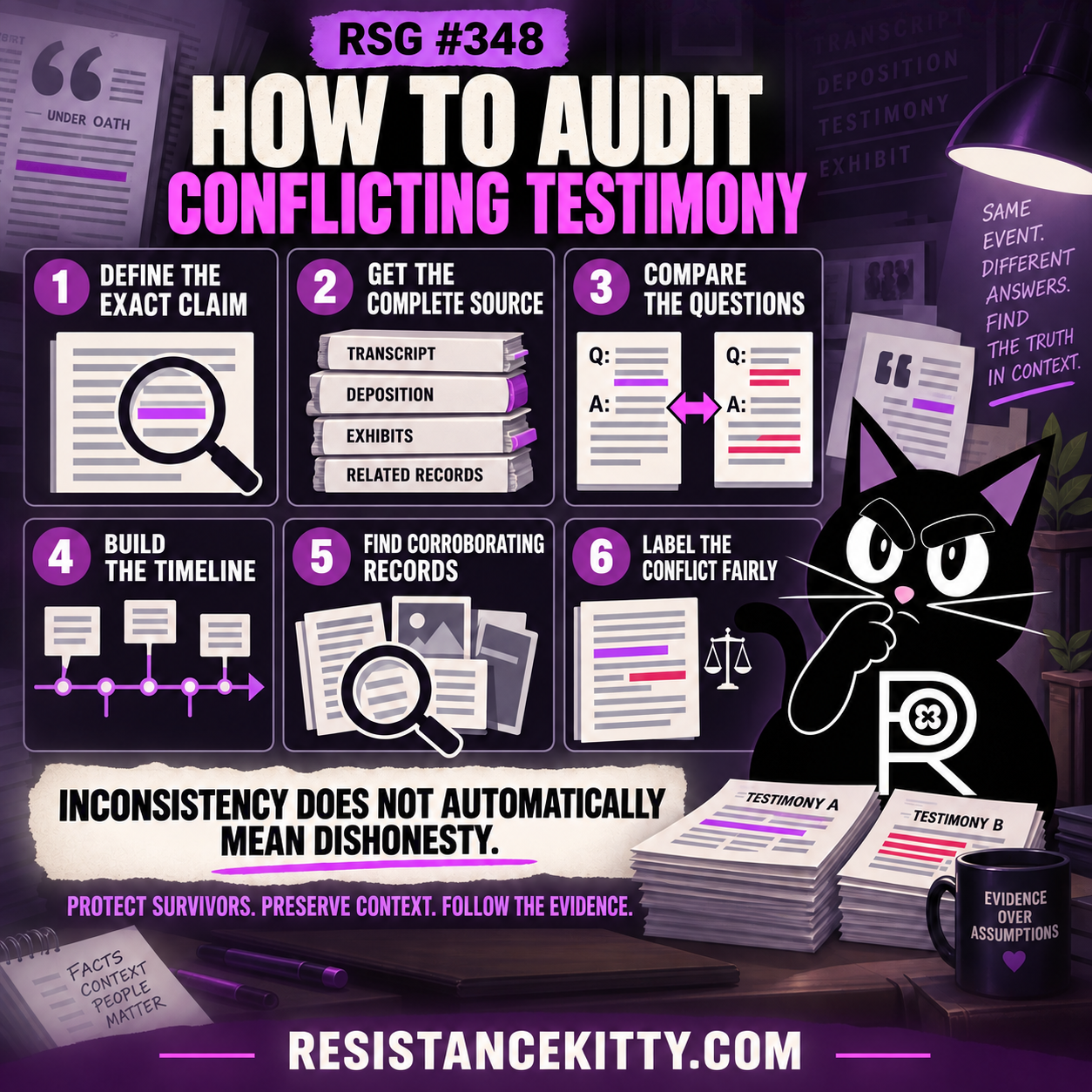
RSG #348: How To Audit Conflicting Testimony Across Epstein Investigations

RSG #348: How To Audit Conflicting Testimony Across Epstein Investigations

The Epstein record contains FBI interview reports, police statements, depositions, trial testimony, congressional interviews, affidavits, proffer sessions, emails, and public statements. These accounts often overlap. They do not always agree. A contradiction can reveal deception, memory failure, poor questioning, an inaccurate summary, new information, or a difference in what the speaker was actually asked. It …

Read more

RSG #347: How To Track Unproduced Attachments Cited in Epstein Records

RSG #347: How To Track Unproduced Attachments Cited in Epstein Records

Epstein records frequently refer to photographs, interview notes, memoranda, recordings, spreadsheets, exhibits, email attachments, evidence inventories, and reports that do not appear beside the document citing them. Sometimes the missing material was lawfully withheld. Sometimes it was released under another file name, separated during processing, filed on a different court docket, or buried in another …

Read more

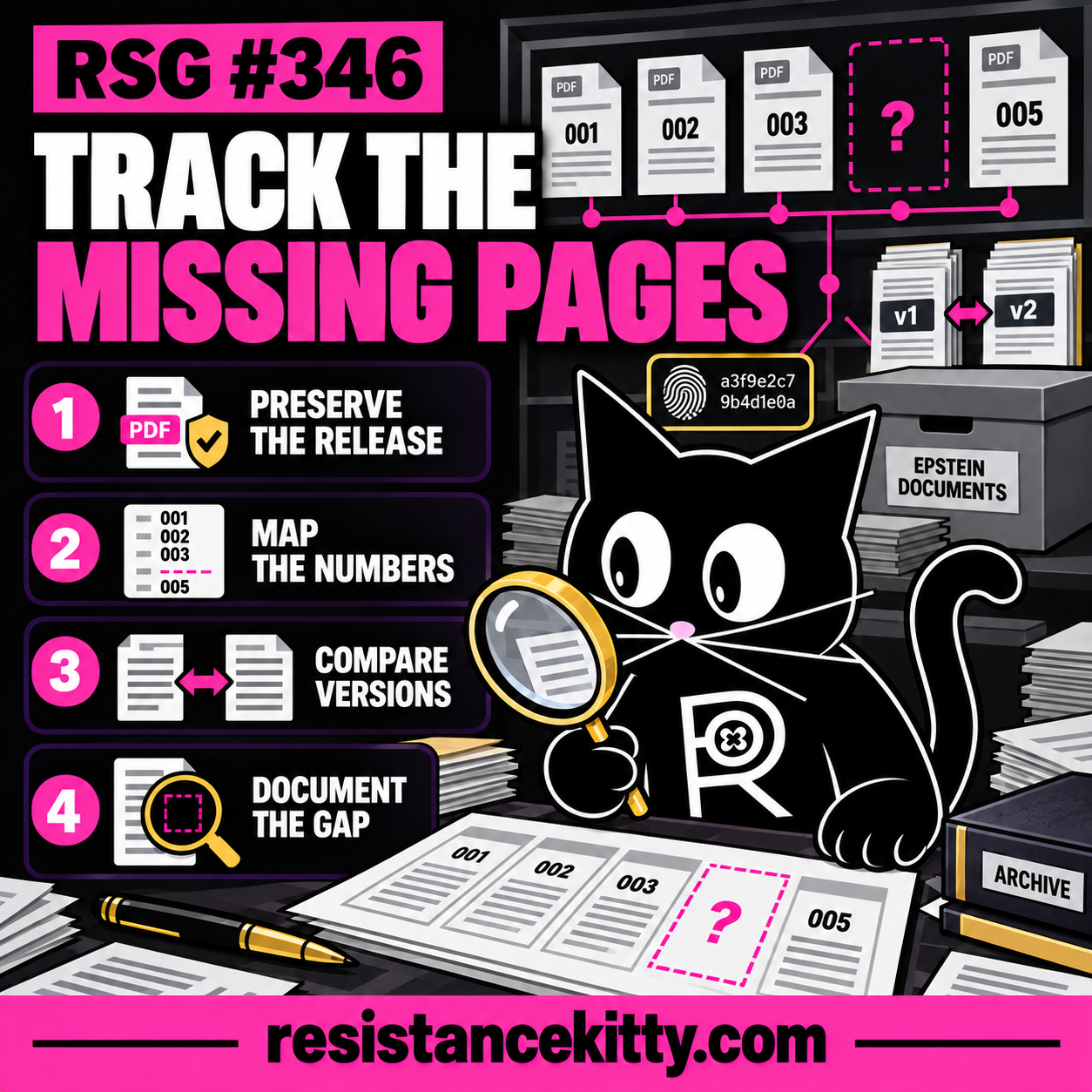
RSG #346: How To Track Missing Pages Across Epstein Document Releases

RSG #346: How To Track Missing Pages Across Epstein Document Releases

Millions of pages connected to Jeffrey Epstein have been published through government websites, congressional releases, court dockets, public archives, and independent research projects. Unfortunately, they did not arrive as one tidy collection with a sensible index and a librarian carrying emergency chocolate. Files have been renamed, consolidated, replaced, reorganized, scanned out of order, duplicated, redacted, …

Read more

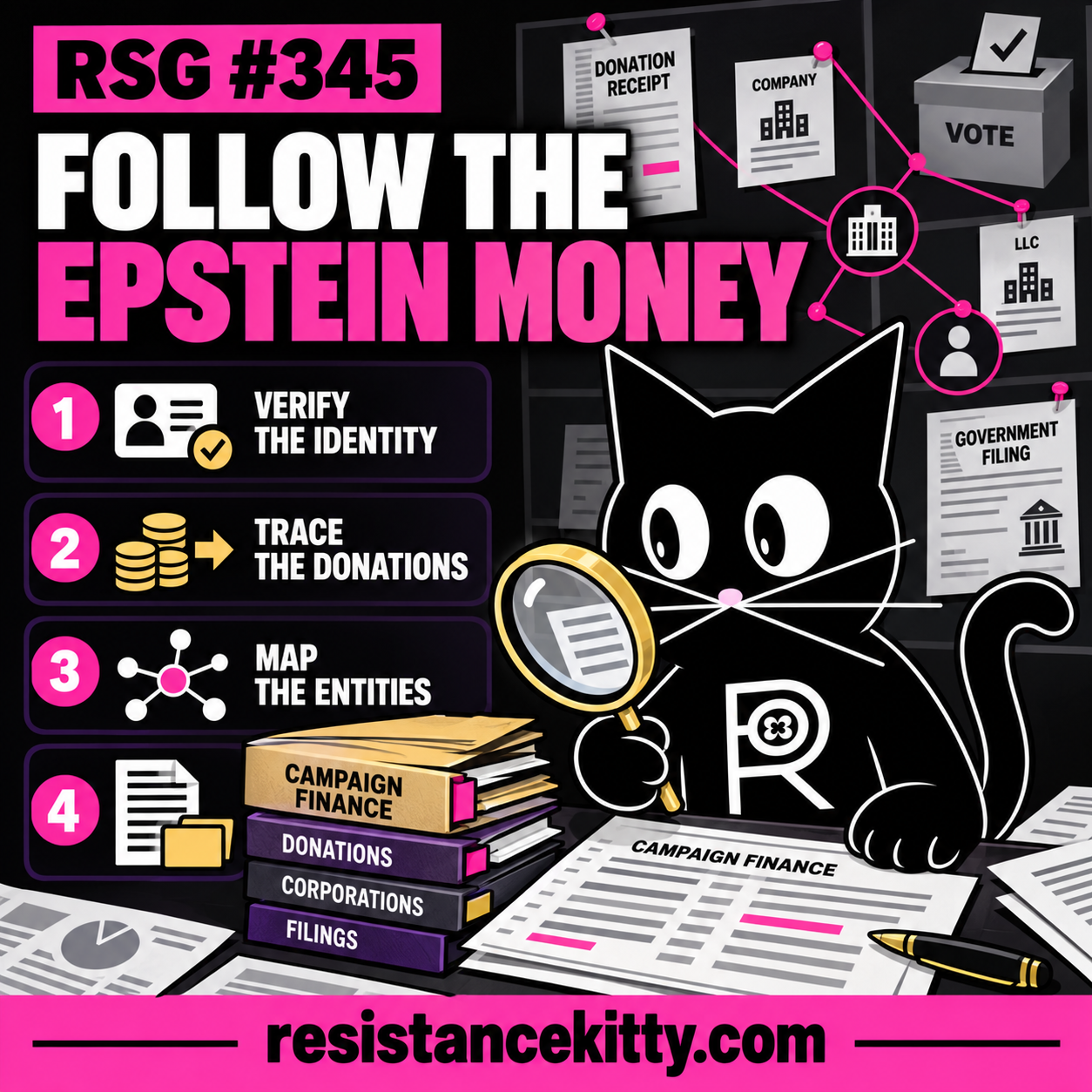
RSG #345: How To Track Campaign Money Connected to the Epstein Influence Network

RSG #345: How To Track Campaign Money Connected to the Epstein Influence Network

The Epstein influence network crossed politics, finance, law, philanthropy, academia, public relations, and elite social circles. Some people had documented relationships with Jeffrey Epstein. Others appear only in contact books, calendars, photographs, emails, or third party records. Those facts are not interchangeable, no matter how desperately social media wants one enormous conspiracy casserole. Tracking campaign …

Read more

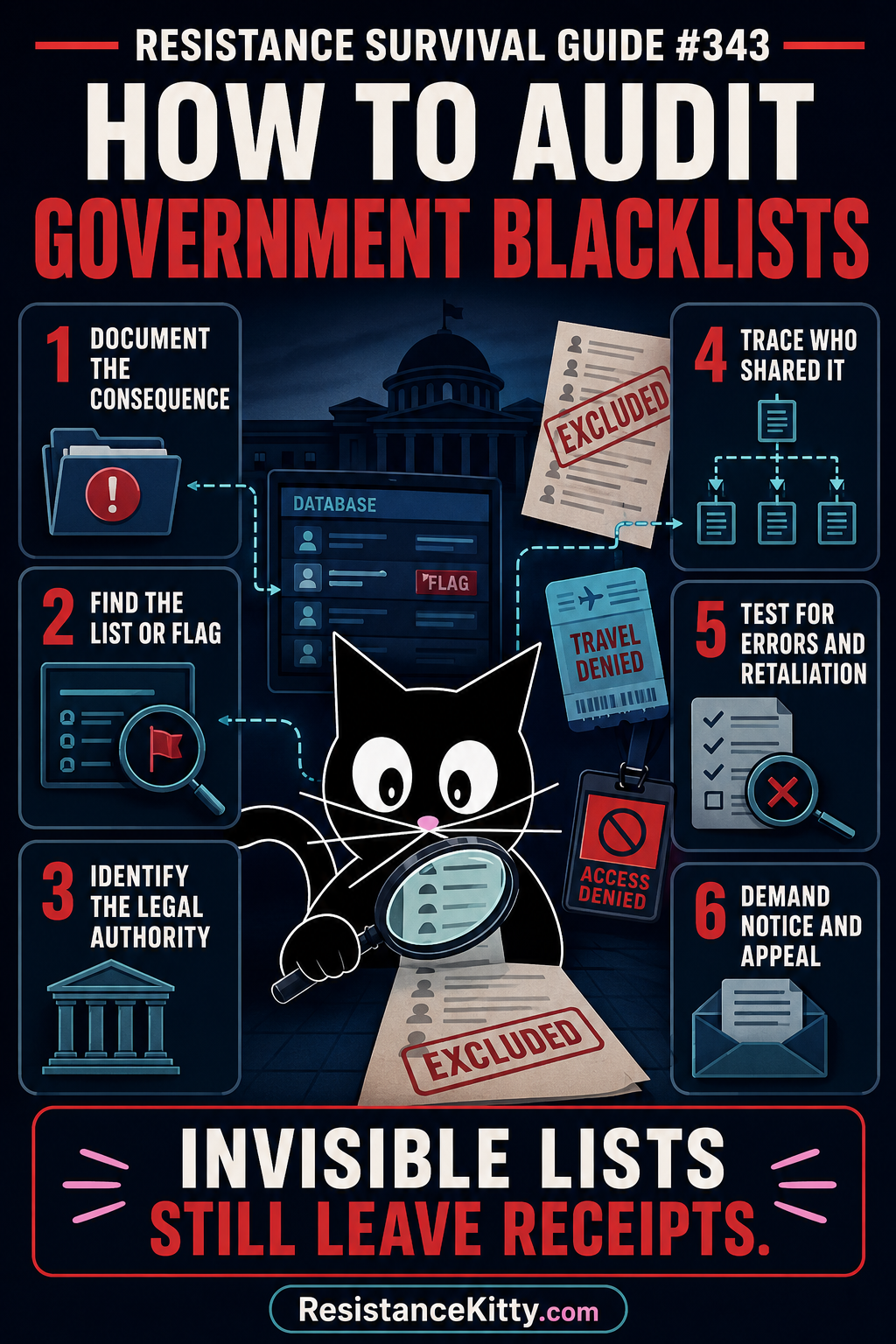
RSG #343: How To Audit Government Blacklists and Informal Exclusion Systems

RSG #343: How To Audit Government Blacklists and Informal Exclusion Systems

Government agencies maintain lists for legitimate administrative reasons. Some identify suspended contractors. Others flag safety concerns, regulate access to secure facilities, screen travelers, restrict licenses, or prevent people from participating in government programs. Then there are the lists nobody wants to call lists. A person may discover that she has been quietly marked as disruptive, …

Read more

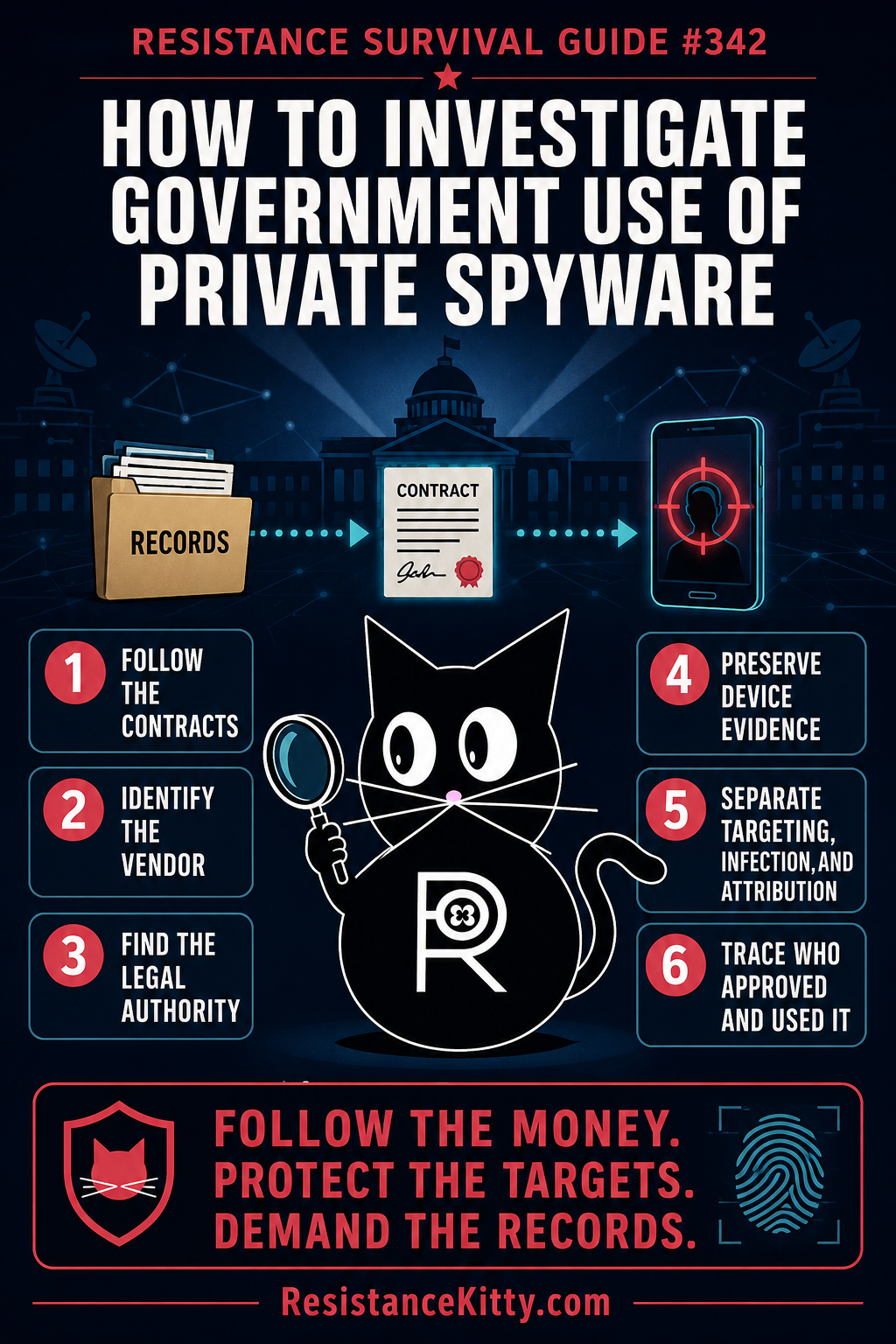
RSG #342: How To Investigate Government Use of Private Spyware Against Journalists and Activists

RSG #342: How To Investigate Government Use of Private Spyware Against Journalists and Activists

Private spyware gives governments access to capabilities once associated with elite intelligence agencies. Depending on the product and method used, an operator may collect messages, contacts, photographs, location data, recordings, and other information from a targeted device. Journalists, activists, dissidents, attorneys, and human rights defenders face particular danger because compromising one phone can expose entire …

Read more

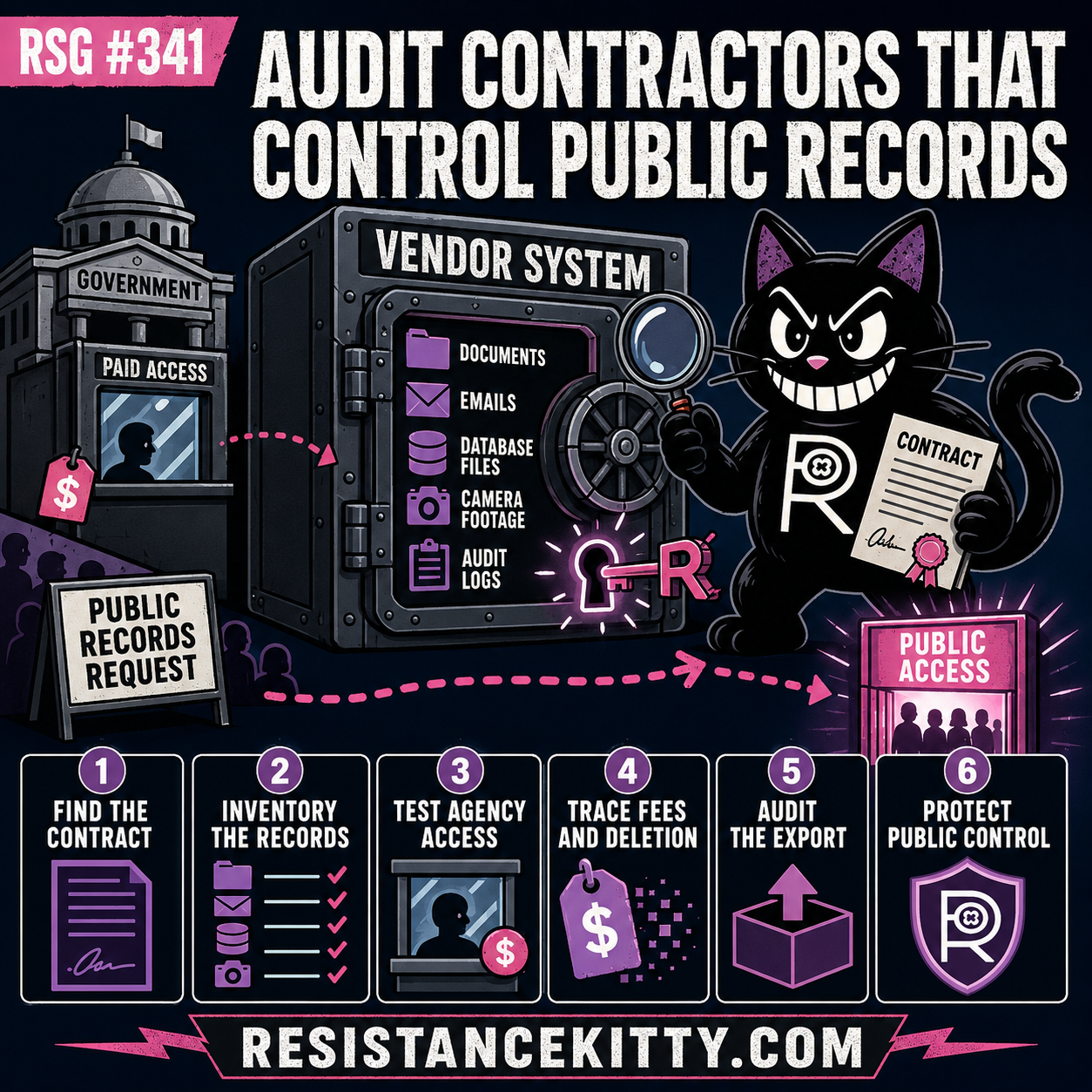
RSG #341: How To Audit Contractors That Control Public Records

RSG #341: How To Audit Contractors That Control Public Records

The government increasingly stores public information inside systems owned or operated by private contractors. Police evidence sits in commercial cloud platforms. Public school messages live in vendor portals. Benefit decisions are generated by private software. Transportation data, emergency records, inspection photographs, license plate searches, and agency communications may never touch a government server. Then a …

Read more