RSG #351: How To Reconstruct an Epstein Investigation From Closing Records

An investigation rarely ends with a dramatic official stamping “CASE CLOSED” across a folder while violins play in the background. More often, it ends through a quiet collection of memoranda, database entries, supervisor approvals, evidence instructions, referral notices, declination decisions, and administrative forms. Those closing records can reveal what investigators examined, which allegations they pursued, …
Read more

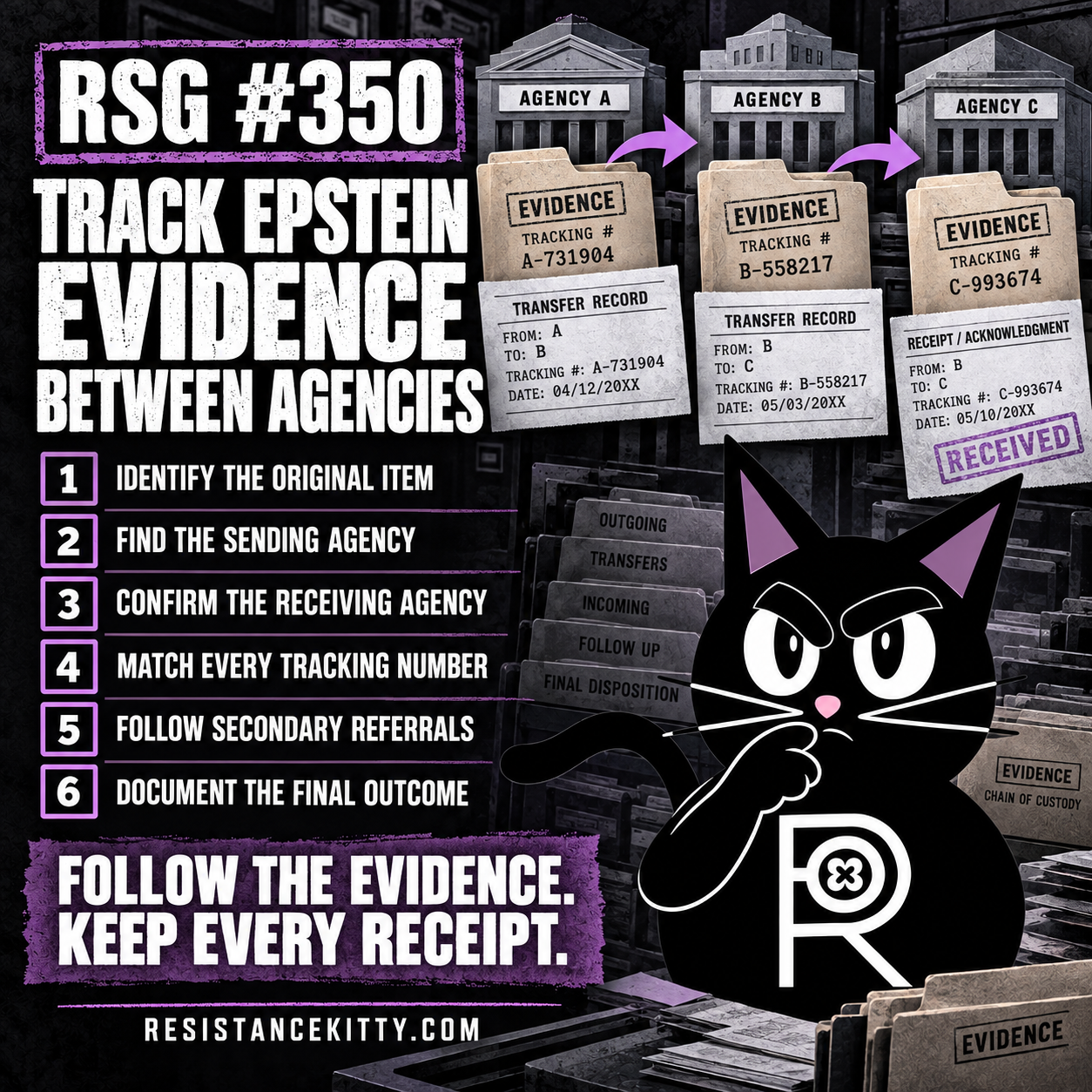
RSG #350: How To Track Epstein Evidence Referred Between Government Agencies

RSG #350: How To Track Epstein Evidence Referred Between Government Agencies

Evidence does not always remain with the agency that first receives it. A complaint submitted to the FBI may be forwarded to a field office, federal prosecutor, inspector general, state agency, or another federal department. A document located during a Freedom of Information Act search may also be referred to the agency that originally created …

Read more

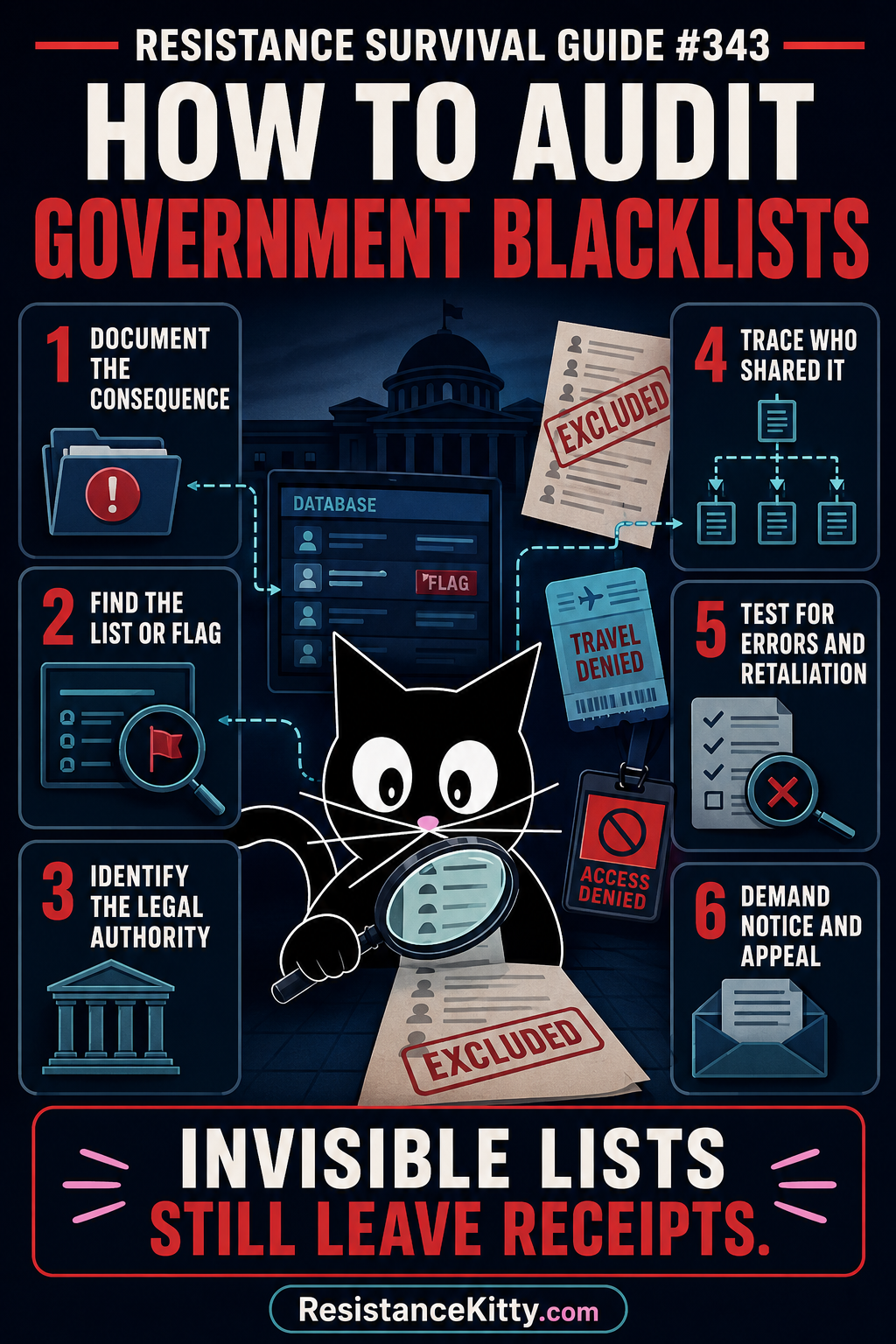
RSG #343: How To Audit Government Blacklists and Informal Exclusion Systems

RSG #343: How To Audit Government Blacklists and Informal Exclusion Systems

Government agencies maintain lists for legitimate administrative reasons. Some identify suspended contractors. Others flag safety concerns, regulate access to secure facilities, screen travelers, restrict licenses, or prevent people from participating in government programs. Then there are the lists nobody wants to call lists. A person may discover that she has been quietly marked as disruptive, …

Read more

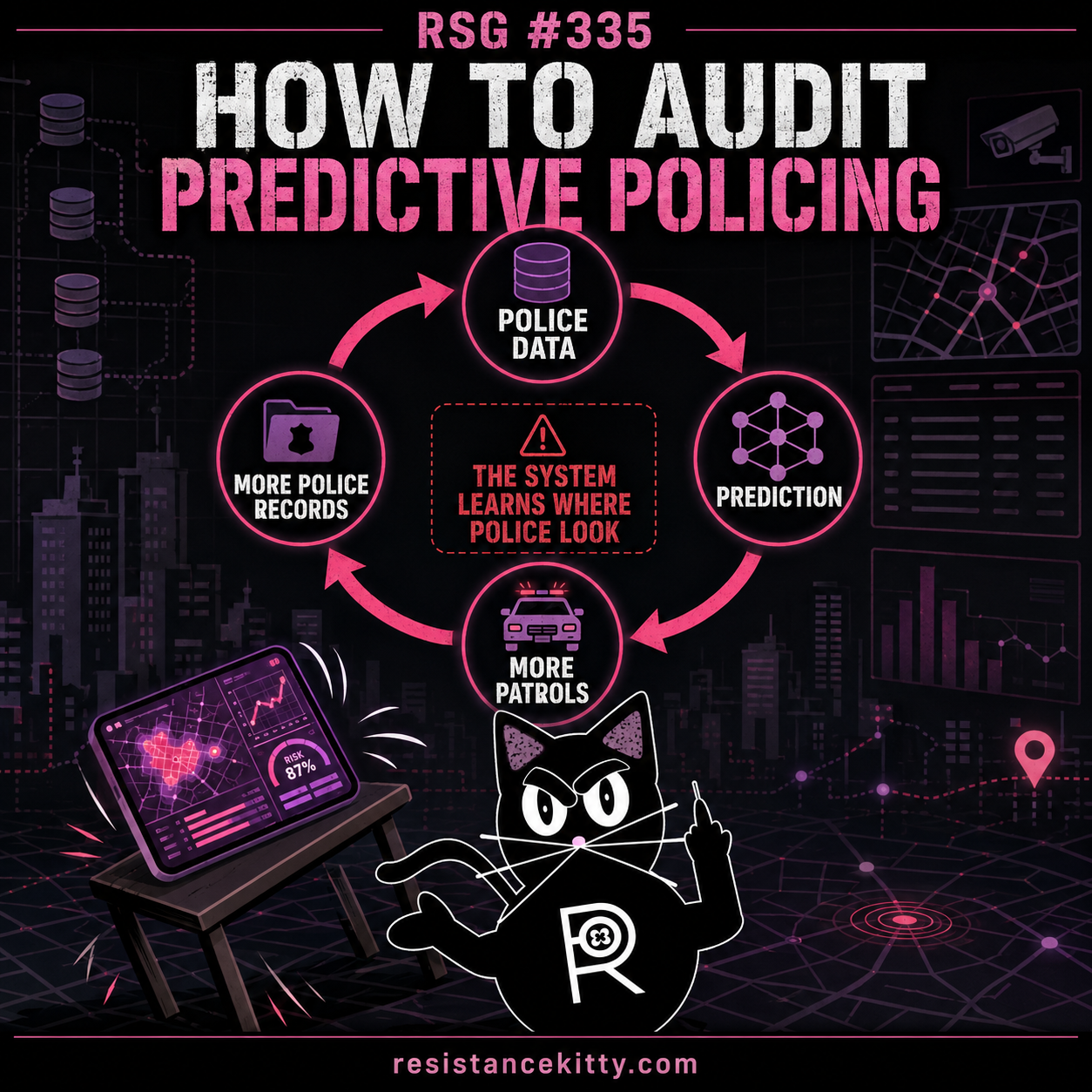
RSG#335: How To Audit Predictive Policing Systems and Their Hidden Feedback Loops

Predictive policing systems promise to help police anticipate where crime might happen or who might become involved. The sales pitch usually arrives carrying words such as objective, efficient, intelligent, and data driven. Nothing says impartial justice quite like a vendor presentation with a glowing heat map. The problem is that these systems do not observe …

Read more

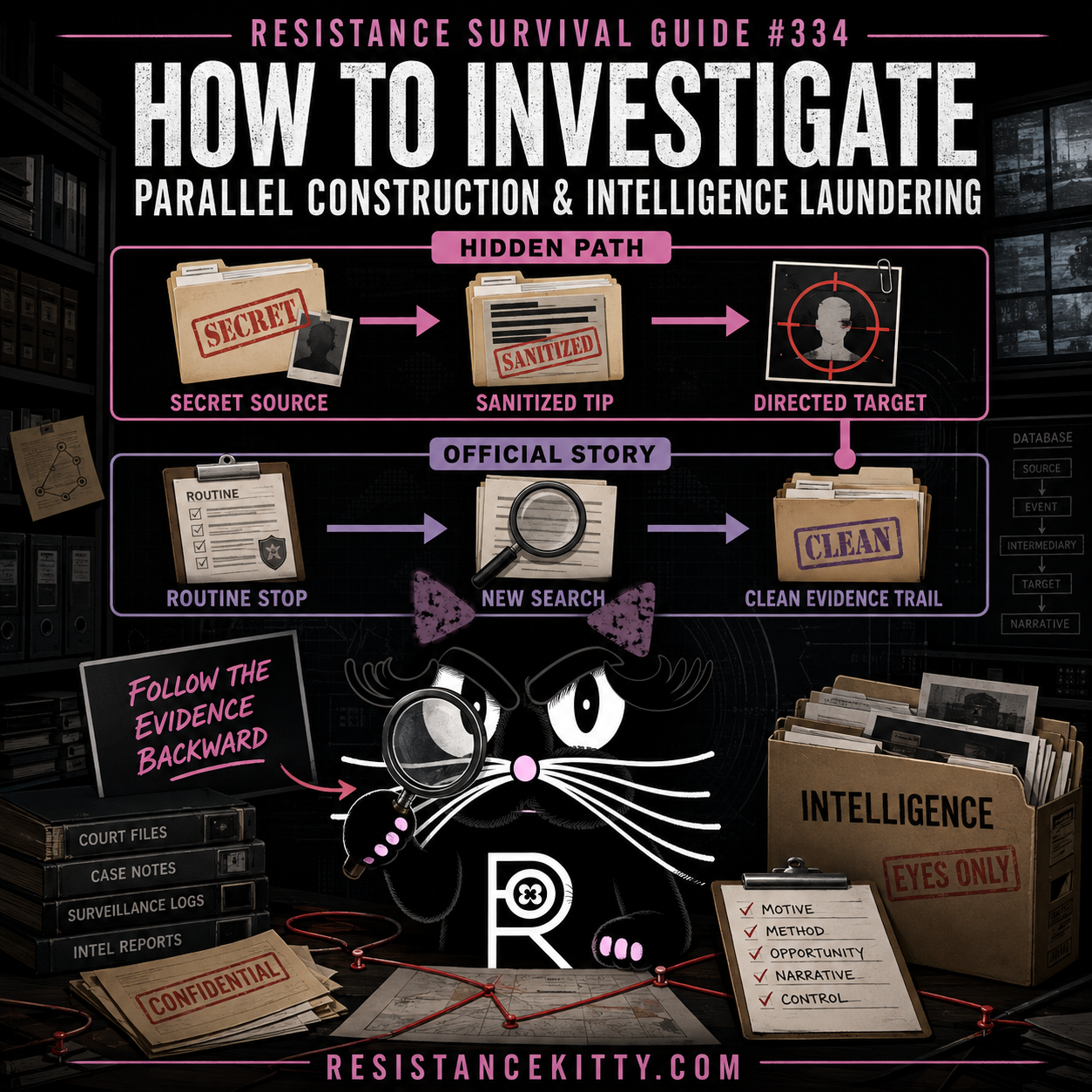
RSG #334: How To Investigate Parallel Construction and Intelligence Laundering

A criminal case may appear to begin with a traffic stop, an informant, or one officer experiencing a miraculous burst of curiosity. Sometimes that visible beginning is not the beginning. Parallel construction occurs when investigators protect an original source by creating a separate path to the same evidence. Civil liberties advocates sometimes call the abusive …

Read more

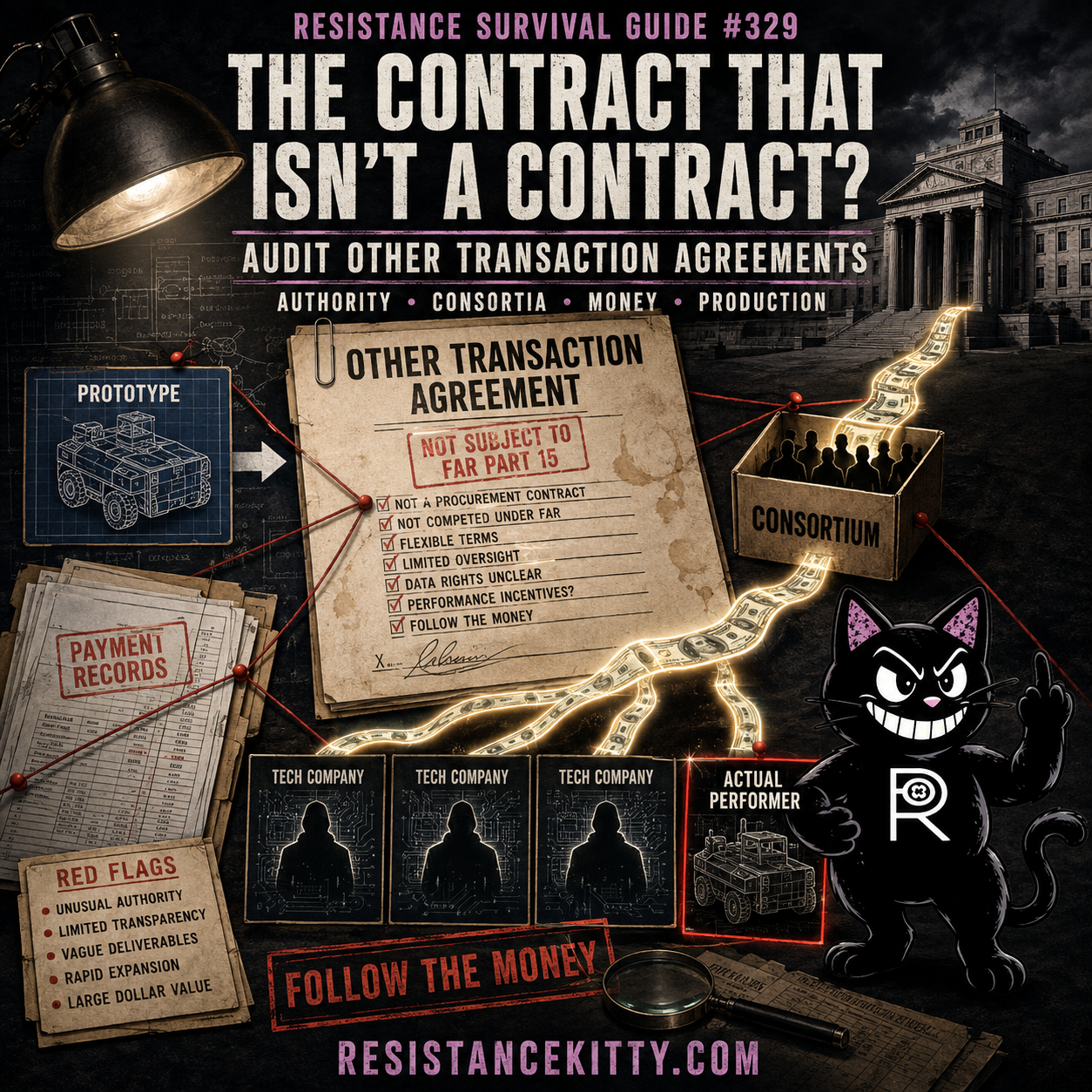
RSG#329: How To Audit Government Other Transaction Agreements

Resistance Survival Guide #329 The federal government has contracts. It has grants. It has cooperative agreements. Then it has Other Transaction Agreements, a category whose name sounds as though somebody forgot to finish the form. Other Transaction Agreements can help agencies develop prototypes, conduct research, work with companies that avoid traditional federal contracting, and move …

Read more

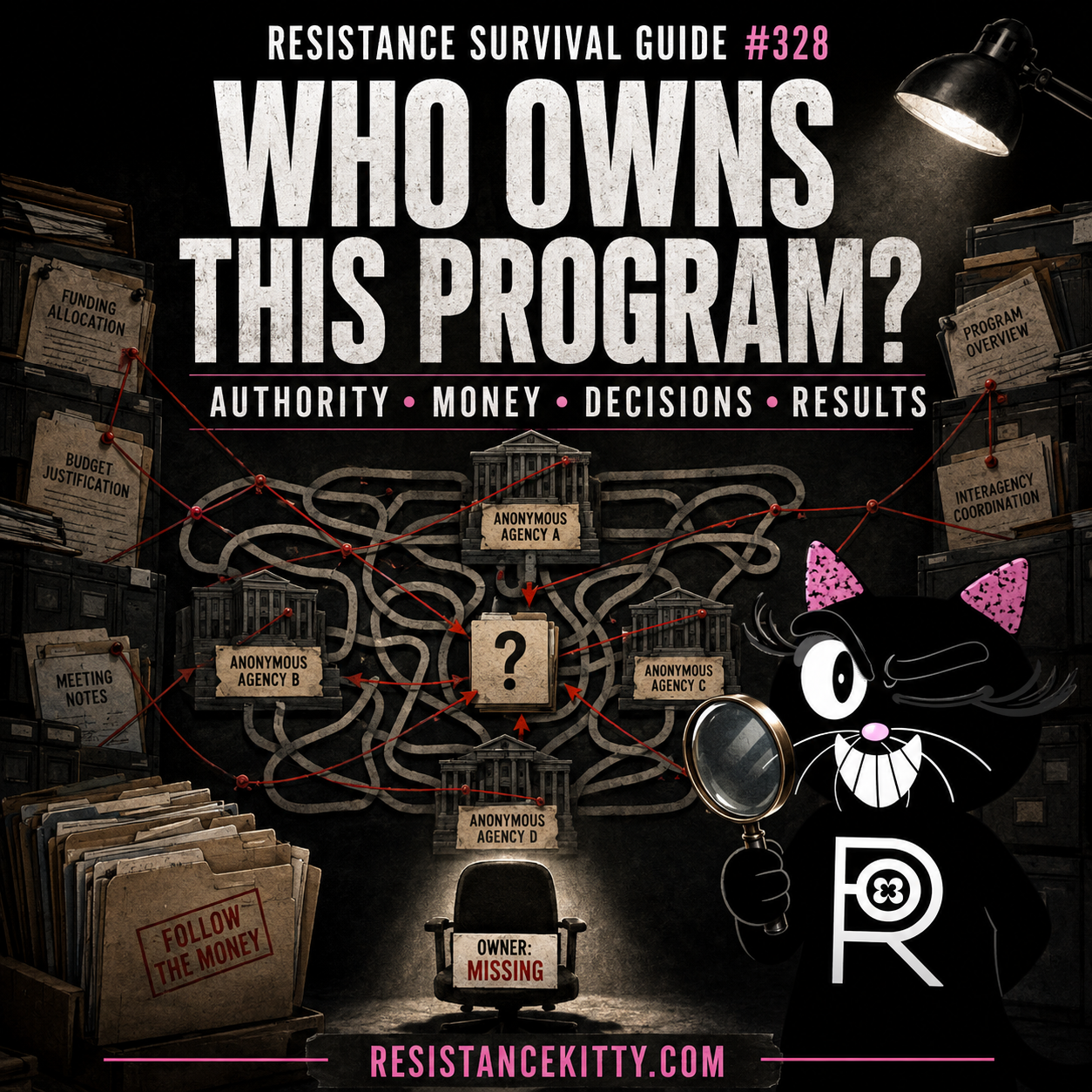
RSG#328: How To Investigate an Interagency Program Nobody Truly Owns

Resistance Survival Guide #328 Interagency programs sound impressively coordinated when officials announce them. Several departments will combine expertise, share resources, eliminate duplication, and deliver one seamless government response. There may even be a diagram featuring circles, arrows, and the word synergy behaving suspiciously. Then something fails. Suddenly, the lead agency was only coordinating. The funding …

Read more

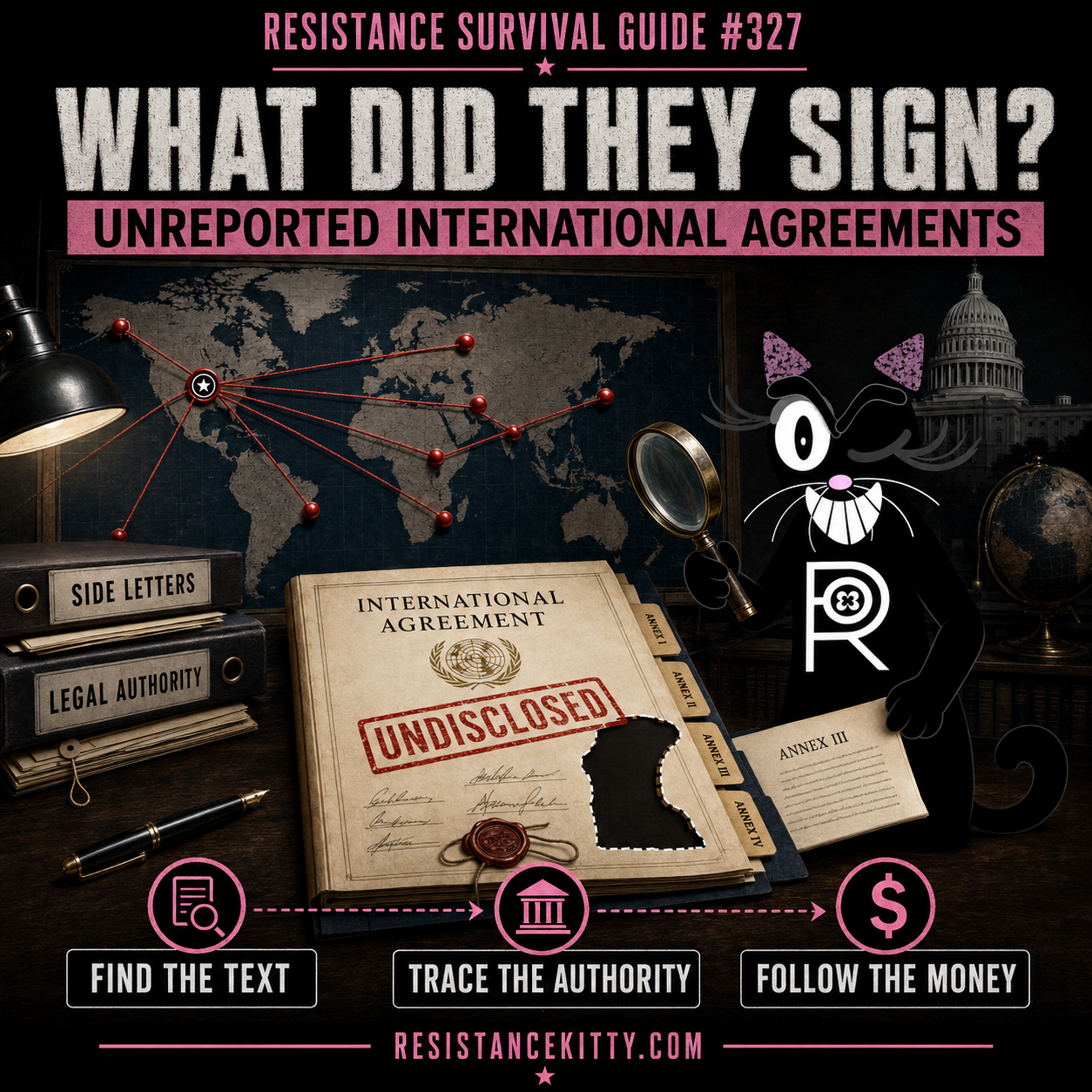
Learn how to investigate undisclosed international agreements, trace legal authority, expose late reporting, find hidden annexes, and verify implementation.

RSG #327: How To Investigate International Agreements the Government Failed To Disclose

Governments make international commitments through treaties, executive agreements, memoranda of understanding, joint declarations, security arrangements, diplomatic notes, side letters, and documents wearing titles so harmless they sound like office supply requests. Some create legally binding obligations. Others carry political or moral weight without creating legal obligations. Both can influence foreign policy, military cooperation, migration, trade, …

Read more

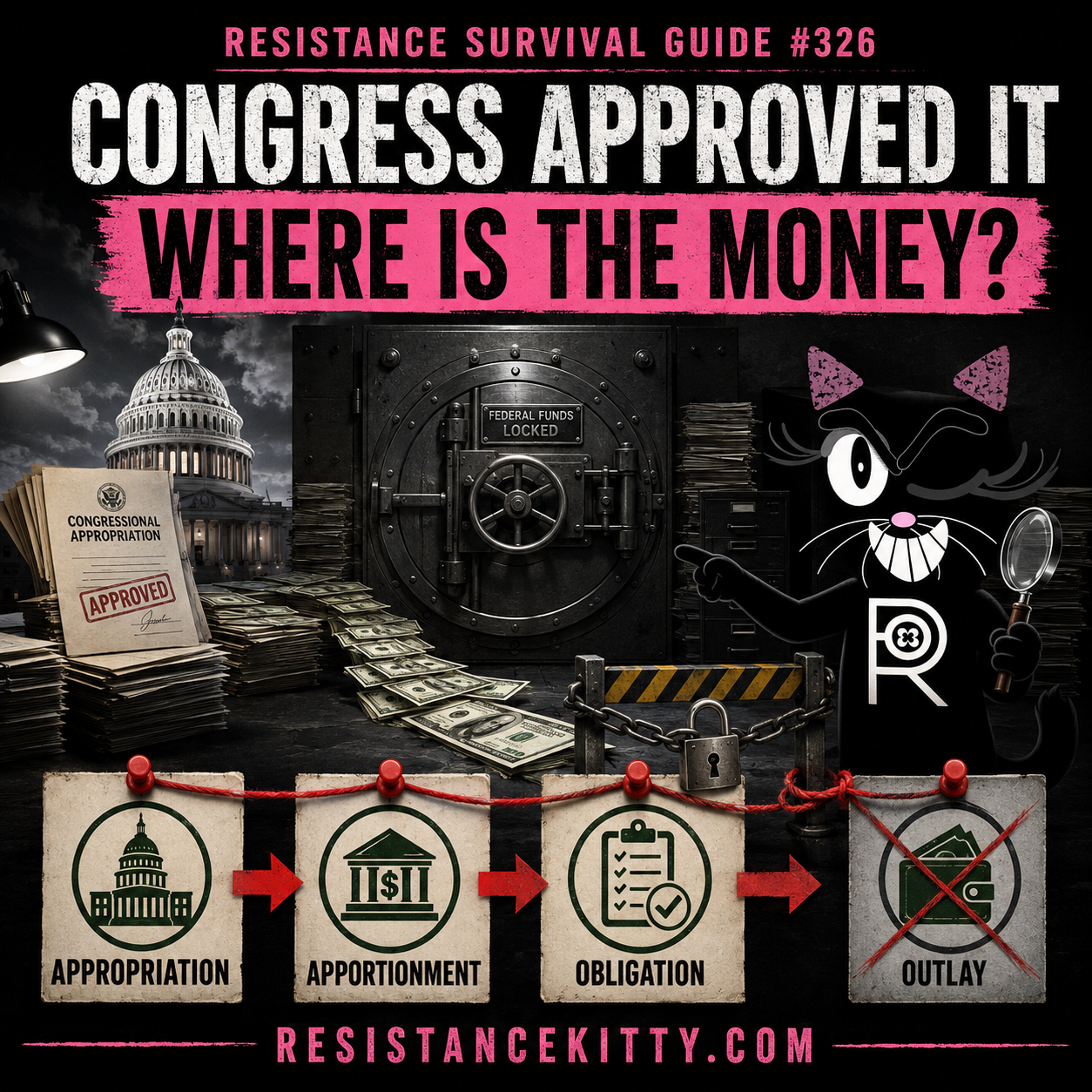
RSG #326: How To Investigate Money Congress Approved but the Executive Branch Never Released

Congress approves money. The president signs the legislation. Officials announce that help is on the way. Then the money enters the federal budget system and develops the survival instincts of a frightened house cat. Months later, communities are still waiting. Grants have not opened. Contracts have not been awarded. Agencies refuse to explain the delay. …

Read more

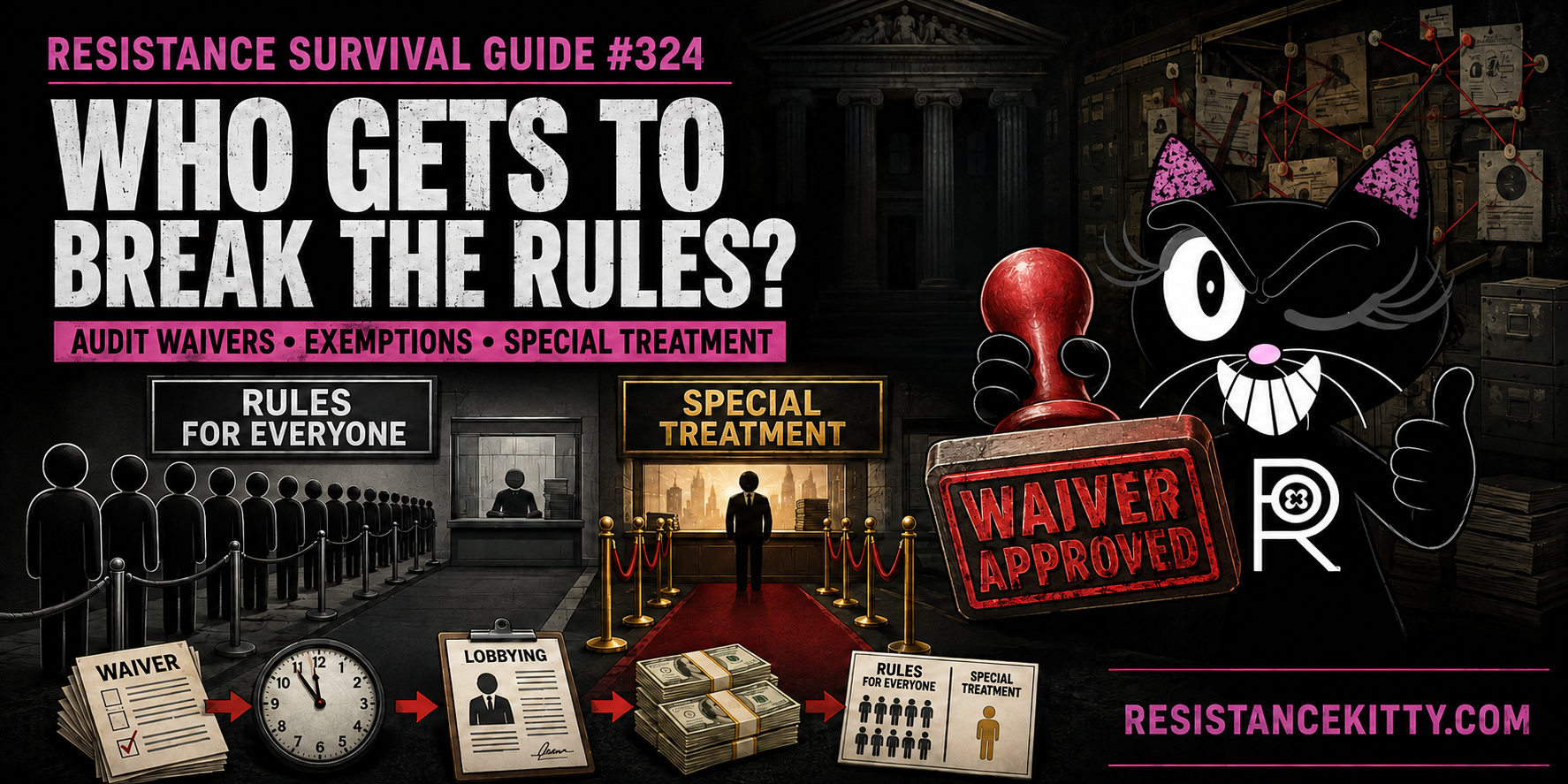
Resistance Kitty holds a giant “Waiver Approved” stamp beside separate lines for “Rules for Everyone” and “Special Treatment,” illustrating how to audit government waivers, exemptions, lobbying influence, and unequal enforcement.

RSG#324: How To Audit Government Waivers, Exemptions, and Special Treatment

Resistance Survival Guide #324 Government rules always sound wonderfully firm when officials announce them. Everyone must comply. Standards will be enforced. Exceptions will be rare. Accountability has arrived wearing a sensible blazer. Then someone finds the waiver process. Waivers and exemptions are not automatically corrupt. Governments need limited flexibility for emergencies, unusual circumstances, genuine hardship, …

Read more